
Introduction
Artificial Intelligence (AI) is changing the way people live, work, communicate, and make decisions. From smart assistants and automated customer service to healthcare technology and self-driving systems, AI is becoming an important part of everyday life.
In 2027, artificial intelligence is expected to play an even bigger role in modern society. Businesses are adopting AI-powered tools, students are using intelligent learning platforms, and individuals are relying on smart technology to save time and improve productivity.
The United States is one of the major markets driving AI innovation. Technology companies are developing advanced AI systems that can understand human language, analyze information, create content, and perform complex tasks.
In this article, we will explore the top AI trends in 2027 and how artificial intelligence may change everyday life.
1. AI-Powered Personal Assistants
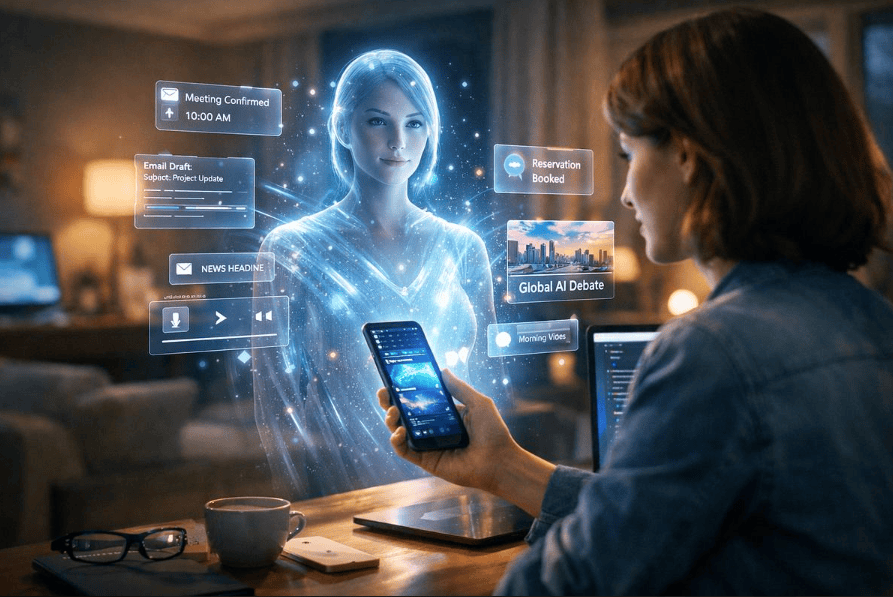
AI-powered personal assistants are becoming more advanced. These tools help users manage daily activities, organize schedules, answer questions, and complete routine tasks.
In 2027, AI assistants are expected to become more personalized and capable of understanding individual preferences.
For example, users may rely on AI assistants to:
- Manage daily schedules and reminders.
- Organize emails and meetings.
- Find information quickly.
- Plan trips and shopping lists.
- Control smart home devices.
AI assistants can help people save time and focus on more important activities.
2. Generative AI Will Transform Content Creation
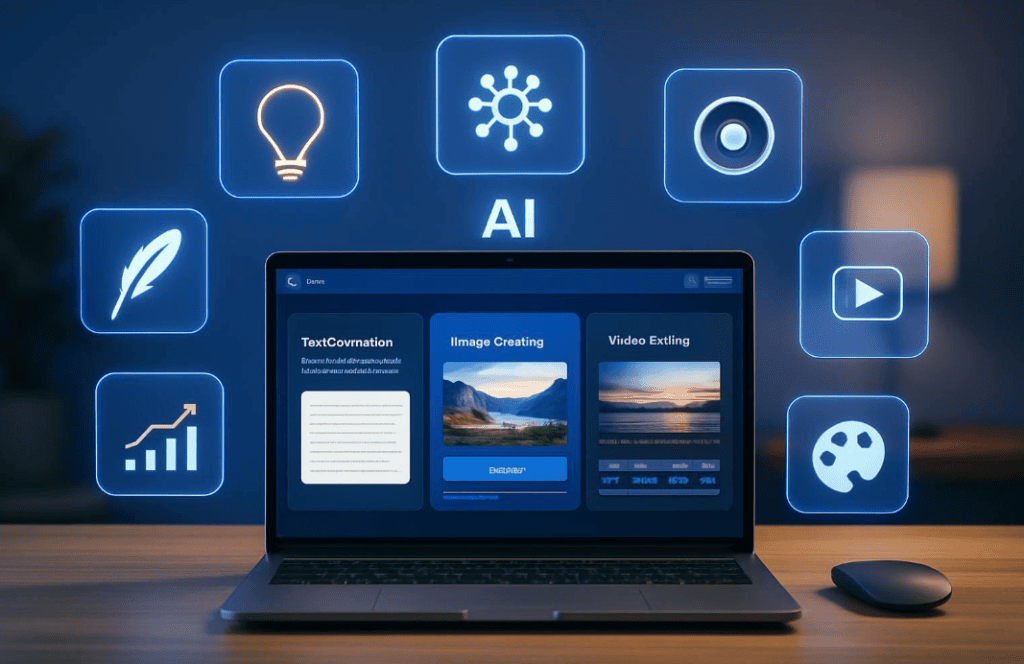
Generative AI is one of the most important developments in modern technology. It allows users to create written content, images, videos, presentations, and other digital materials with simple instructions.
In 2027, generative AI tools are expected to become more useful for businesses, bloggers, marketers, designers, and content creators.
Some common applications include:
- Writing blog posts and articles.
- Creating marketing content.
- Generating product images.
- Editing videos.
- Designing social media graphics.
However, human creativity and fact-checking will remain important. AI-generated content should be reviewed to ensure accuracy, originality, and quality.
3. AI in Healthcare and Medical Technology
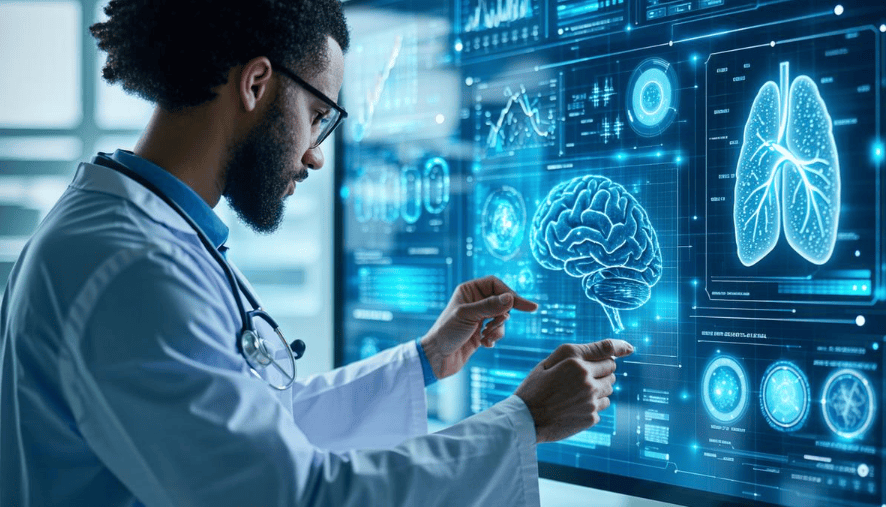
Artificial intelligence is creating new opportunities in healthcare. Medical professionals can use AI-powered systems to analyze medical images, organize patient information, and support clinical decision-making.
In 2027, AI may become increasingly important in:
- Medical image analysis.
- Early disease detection support.
- Personalized treatment planning.
- Patient monitoring.
- Healthcare administration.
AI can help healthcare professionals work more efficiently, but it does not replace qualified doctors. Medical decisions still require professional judgment and appropriate patient care.
4. AI Will Change Education and Online Learning

Education is another area where artificial intelligence is making a significant difference. AI-powered learning platforms can help students understand difficult subjects and practice skills at their own pace.
In 2027, personalized learning tools may offer more interactive educational experiences.
Students can use AI tools to:
- Understand complex topics.
- Practice languages.
- Improve writing skills.
- Generate study plans.
- Receive personalized learning recommendations.
Teachers can also use AI to prepare educational materials and reduce repetitive administrative tasks.
5. AI-Powered Cybersecurity

Cybersecurity threats are becoming more sophisticated as digital technology continues to grow. Artificial intelligence can help organizations identify suspicious activities and respond to potential security threats.
AI-powered cybersecurity systems can analyze large amounts of data and identify unusual patterns.
Important applications include:
- Detecting suspicious login attempts.
- Identifying potential malware.
- Monitoring network activity.
- Recognizing unusual transactions.
- Supporting faster security responses.
However, cybercriminals can also misuse AI. Businesses and individuals will need stronger security practices, including multi-factor authentication and regular software updates.
6. Smart Homes Will Become More Intelligent

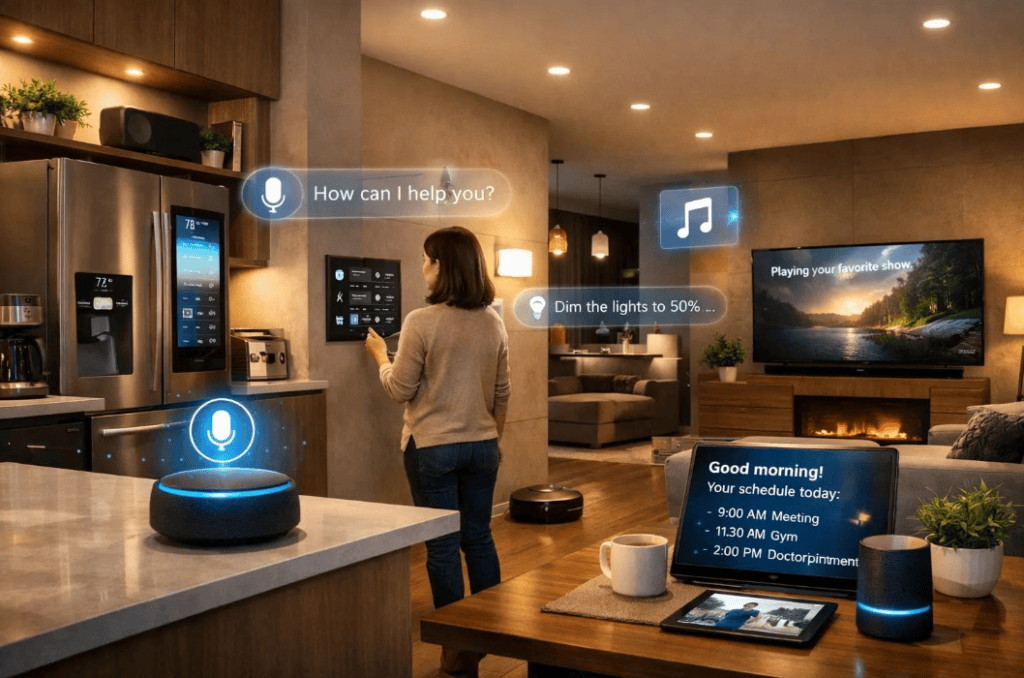
Smart home technology is becoming increasingly popular in the United States. AI-powered devices can make homes more comfortable, efficient, and convenient.
In 2027, smart home systems may become better at understanding household routines and adjusting settings automatically.
Examples include:
- Smart thermostats.
- Intelligent lighting systems.
- Voice-controlled assistants.
- Smart security cameras.
- Automated home appliances.
These technologies can improve convenience and energy management. However, consumers should also consider device privacy and data security.
7. AI Will Transform Business and Digital Marketing
Businesses are increasingly using artificial intelligence to improve productivity, understand customers, and make better decisions.
In digital marketing, AI can help companies analyze customer behavior, generate advertising ideas, and personalize marketing campaigns.
Some important business applications include:
- AI-powered customer support.
- Automated marketing campaigns.
- Customer behavior analysis.
- Sales forecasting.
- Personalized product recommendations.
Small businesses may particularly benefit from affordable AI tools that help them compete in digital markets.
8. Autonomous Vehicles and Transportation

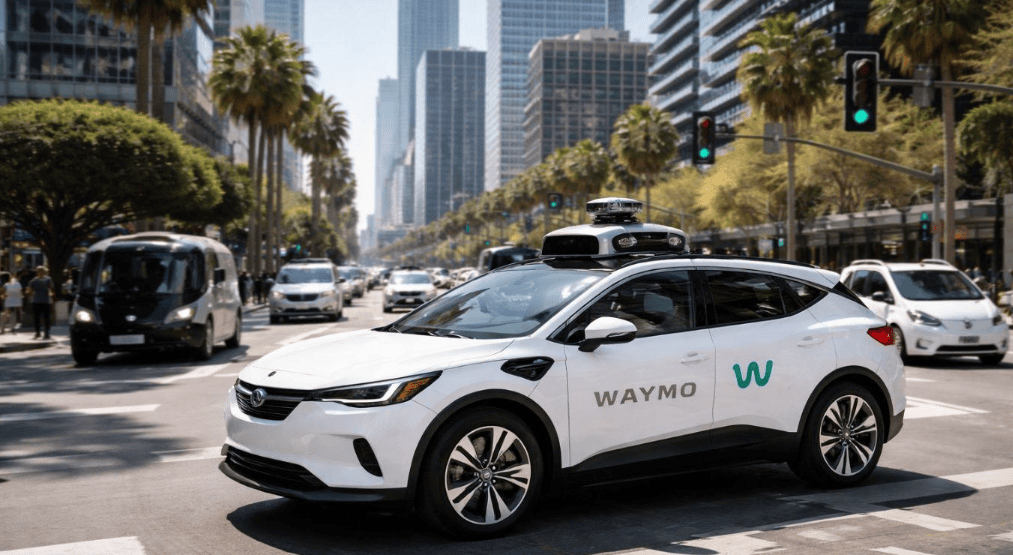
Artificial intelligence is playing an important role in the development of autonomous transportation systems.
Self-driving technology uses cameras, sensors, software, and machine learning to understand road conditions and make driving decisions.
In 2027, autonomous vehicle technology may continue improving through better navigation, object detection, and traffic analysis.
AI is also being used in transportation to support:
- Traffic management.
- Route optimization.
- Delivery automation.
- Fleet management.
- Driver assistance systems.
Although autonomous transportation has potential benefits, safety testing, regulations, and public trust remain important challenges.
9. AI-Powered Shopping and E-Commerce
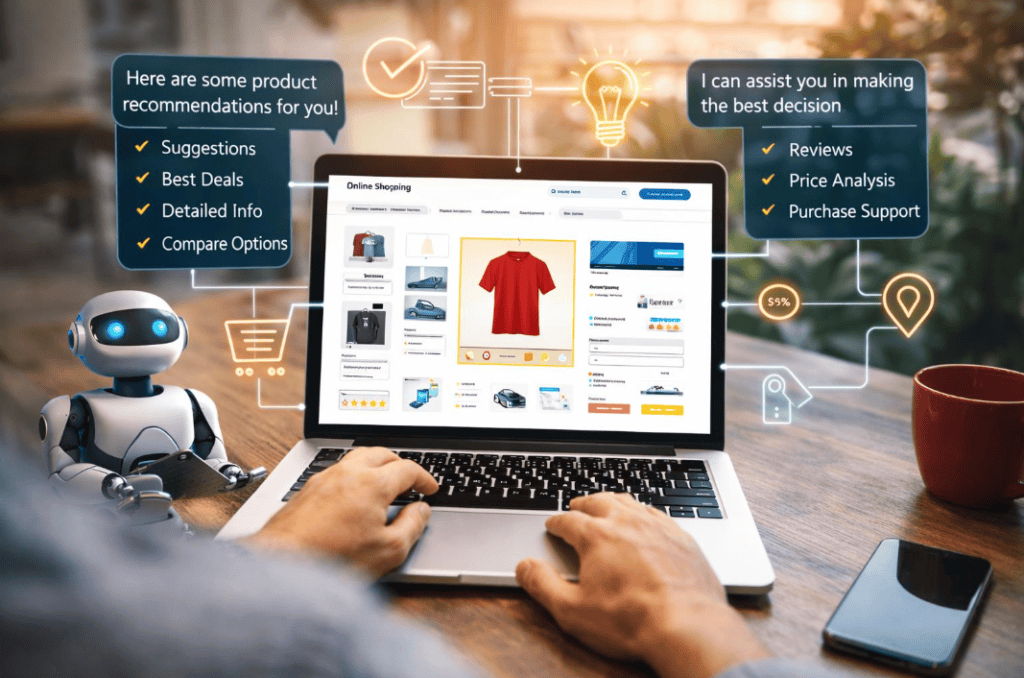
Online shopping is becoming more personalized through artificial intelligence. E-commerce businesses can use AI to understand customer interests and recommend relevant products.
In 2027, shoppers may experience more intelligent shopping platforms with improved product discovery and customer support.
AI applications in e-commerce include:
- Personalized product recommendations.
- AI shopping assistants.
- Automated customer service.
- Smart inventory management.
- Product search using images.
These features can make online shopping easier while helping businesses improve customer experiences.
10. AI and the Future of Jobs
Artificial intelligence is changing the workplace. Many companies are using AI to automate repetitive tasks and improve employee productivity.
Some jobs may change as AI systems become more capable, while new opportunities may develop in technology-related fields.
Skills that may become increasingly valuable include:
- Artificial intelligence literacy.
- Data analysis.
- Cybersecurity.
- Software development.
- Critical thinking.
- Creative problem-solving.
Instead of focusing only on replacing jobs, businesses and workers should explore how AI can support human skills and improve productivity.
Challenges of Artificial Intelligence in 2027
Although AI offers many benefits, it also creates important challenges.
1. Data Privacy: AI systems often process large amounts of personal information, making data protection essential.
2. Job Displacement: Automation may change certain industries and require workers to develop new skills.
3. Misinformation: AI-generated images, videos, and text can spread misleading information.
4. Security Risks: AI technology can be misused for cyberattacks and online scams.
5. Ethical Concerns: Businesses must ensure that AI systems are fair, transparent, and responsibly developed.
Addressing these challenges will be important as artificial intelligence becomes more integrated into everyday life.
Conclusion
Artificial intelligence is expected to remain one of the most influential technologies in 2027. From healthcare and education to business, transportation, cybersecurity, and online shopping, AI is creating new opportunities across different industries.
As AI technology continues to develop, individuals and businesses will need to understand how to use these tools responsibly. Learning new digital skills, protecting personal information, and staying informed about technological developments will become increasingly important.
The future of artificial intelligence is not only about advanced machines. It is also about improving human productivity, solving real-world problems, and creating better everyday experiences.