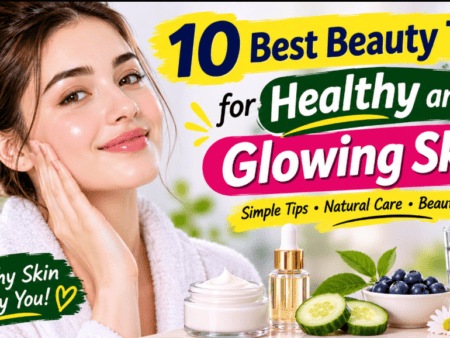


Everyone wants healthy, smooth, and naturally glowing skin. However, achieving beautiful skin does not always require expensive skincare products or costly beauty treatments. With the right daily habits, a balanced diet, and a simple skincare routine, you can support healthier-looking skin at home.
Many people experience common skin concerns such as dryness, dullness, uneven skin tone, acne, and dark spots. These problems can be influenced by several factors, including sun exposure, stress, sleep habits, skincare products, and lifestyle choices.
The good news is that you can improve your skincare habits with simple steps. In this article, we will discuss 12 easy ways to get glowing skin naturally at home.
1. Start Your Day With a Gentle Face Wash
Washing your face is the first step toward maintaining clean and healthy-looking skin. During the night, oil and sweat can accumulate on your face.
Use a gentle facial cleanser every morning to remove excess oil and impurities.
Choose a cleanser according to your skin type:
- Dry skin: Use a hydrating cleanser.
- Oily skin: Choose a gentle gel cleanser.
- Sensitive skin: Select a fragrance-free cleanser.
- Combination skin: Use a balanced facial cleanser.
Avoid washing your face too frequently because excessive cleansing can cause dryness and irritation.
2. Keep Your Skin Hydrated
Hydration is essential for maintaining soft and healthy-looking skin. When your body does not receive enough fluids, your skin may appear dry or less fresh.
Drink water regularly throughout the day. You can also include foods with high water content in your diet.
Some healthy options include:
- Watermelon
- Cucumber
- Oranges
- Strawberries
- Lettuce
Remember that drinking more water than your body needs will not automatically make your skin glow. Proper hydration is one part of an overall healthy lifestyle.
3. Never Skip Moisturizer
A good moisturizer helps prevent water loss and supports your skin’s natural protective barrier.
Even people with oily skin need moisturizer. The important thing is choosing the right formula.
Look for ingredients such as:
- Hyaluronic acid for hydration.
- Glycerin to attract moisture.
- Ceramides to support the skin barrier.
- Niacinamide to help improve the appearance of uneven skin tone.
Apply moisturizer after washing your face to help keep your skin soft and comfortable.
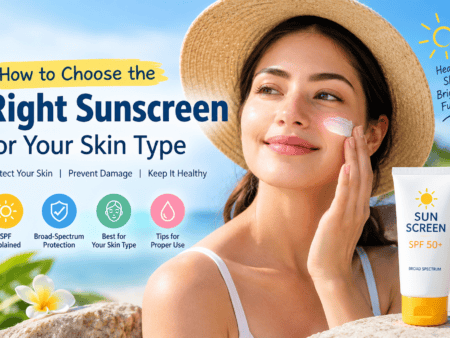
4. Use Sunscreen Every Day
Sun protection is one of the most important parts of a skincare routine.
Excessive exposure to ultraviolet rays can contribute to sunburn, premature aging, dark spots, and skin damage.
Follow these sunscreen tips:
- Choose broad-spectrum SPF 30 or higher.
- Apply sunscreen before going outdoors.
- Cover your face, neck, and other exposed areas.
- Reapply approximately every two hours when outdoors.
- Wear sunglasses and protective clothing.
Do not skip sunscreen on cloudy days because UV rays can still reach your skin.
5. Eat a Balanced Diet for Healthy Skin
Your eating habits can influence your overall skin health. A balanced diet provides nutrients that support normal skin function.
Include the following foods in your daily meals:
Vitamin C foods: Oranges, lemons, guava, and strawberries.
Vitamin A foods: Carrots, spinach, and sweet potatoes.
Healthy fats: Walnuts, almonds, chia seeds, and fatty fish.
Protein sources: Eggs, beans, lentils, and chicken.
Try to eat different fruits and vegetables instead of depending on one particular food for better skin.
6. Get Enough Sleep
Sleep is important for your body’s natural recovery and repair processes.
Not getting enough sleep may make your face look tired and affect your overall appearance.
For better sleep:
- Aim for 7–9 hours each night if you are an adult.
- Follow a regular sleeping schedule.
- Avoid excessive screen time before bedtime.
- Keep your bedroom comfortable.
- Remove makeup before sleeping.
Healthy sleeping habits can support your overall well-being and skin health.
7. Try a Simple Honey Face Mask
Honey is a popular ingredient in homemade beauty routines because it has moisturizing properties.
If your skin tolerates honey, you can try a simple face mask.
How to use honey on your face:
- Clean your face with a gentle cleanser.
- Apply a small amount of plain honey.
- Leave it on for approximately 10 minutes.
- Wash it off with lukewarm water.
- Apply your regular moisturizer.
Always perform a patch test first. Avoid honey if you have an allergy or experience irritation.
8. Avoid Touching Your Face Frequently
Your hands come into contact with many surfaces throughout the day. Frequently touching your face may transfer dirt, oil, and microorganisms.
This habit can also make acne worse, especially when you pick or squeeze pimples.
Follow these simple habits:
- Wash your hands regularly.
- Avoid touching active pimples.
- Keep your phone screen clean.
- Use a clean face towel.
- Change pillowcases regularly.
Keeping your hands away from your face can help reduce unnecessary irritation.
9. Exfoliate Your Skin Carefully
Exfoliation helps remove dead skin cells from the surface of your skin. It can make skin feel smoother and improve its appearance.
However, excessive exfoliation can damage your skin barrier.
For beginners, start with a gentle exfoliating product once a week and follow its instructions.
Avoid aggressive scrubbing, especially if you have sensitive skin, active acne, or irritation.
Always moisturize after exfoliating and use sunscreen during the day.
10. Follow a Regular Night Skincare Routine
Your nighttime skincare routine is an important opportunity to remove dirt, oil, and sunscreen accumulated during the day.
A simple night routine includes:
Step 1: Remove makeup
Use a suitable makeup remover if you wear makeup.
Step 2: Clean your face
Wash with a gentle cleanser.
Step 3: Apply moisturizer
Choose a moisturizer suitable for your skin type.
Step 4: Get enough sleep
Allow your body to follow its natural overnight recovery processes.
You do not need ten different products to maintain a good skincare routine.
11. Manage Stress for Better Skin Health
Stress can affect your overall health and may worsen certain skin conditions, including acne and eczema.
Managing stress is an important part of maintaining a healthy lifestyle.
Try these activities:
- Walk outdoors.
- Practice gentle exercise.
- Spend time with family.
- Try meditation or deep breathing.
- Maintain a regular sleep schedule.
Taking care of your mental well-being can also support healthier daily habits.
12. Choose Skincare Products According to Your Skin Type
Not every skincare product works for everyone. Using unsuitable products may cause irritation, dryness, or breakouts.
Before purchasing a product, understand your skin type.
Dry Skin: Look for moisturizing creams containing glycerin and ceramides.
Oily Skin: Choose lightweight, non-comedogenic products.
Sensitive Skin: Prefer fragrance-free and gentle formulas.
Combination Skin: Use balanced products that provide hydration without feeling too heavy.
Introduce new products gradually and patch-test them before regular use.
Common Skincare Mistakes to Avoid
Sometimes, everyday skincare mistakes can prevent you from maintaining healthy-looking skin.
Here are some mistakes to avoid:
- Sleeping with makeup on.
- Skipping sunscreen.
- Using harsh face scrubs.
- Applying too many skincare products.
- Ignoring moisturizer.
- Popping pimples.
- Using lemon juice directly on your face.
- Changing your skincare routine too frequently.
A simple and consistent skincare routine is often better than using too many products.
How Long Does It Take to Get Glowing Skin?
There is no fixed timeline for achieving healthy-looking skin. Results depend on your skin type, existing skin concerns, lifestyle, and skincare routine.
Some people may notice improvements in skin hydration within days, while concerns such as uneven skin tone or acne may take several weeks or longer.
The most important thing is to stay consistent and avoid expecting overnight results.
If you experience persistent acne, irritation, or other skin problems, consider consulting a qualified dermatologist.
Conclusion
Getting glowing skin naturally at home is possible with simple and healthy daily habits. You do not need expensive beauty treatments to start taking better care of your skin.
Focus on gentle cleansing, regular moisturizing, daily sunscreen, healthy eating, proper hydration, and enough sleep.
Remember that every person’s skin is different. Choose skincare products according to your skin type and give your routine enough time to work.
Start with these 12 simple beauty tips and make healthy skincare a regular part of your lifestyle.
Healthy skin is not about perfection; it is about consistency and proper care.