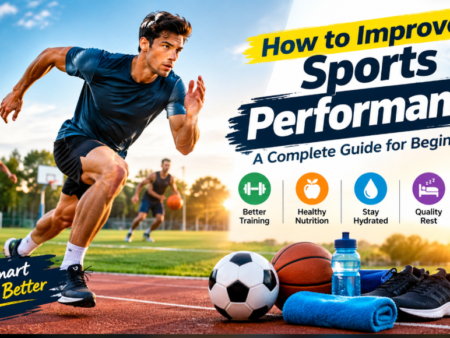

Athletes need speed, strength, stamina, and endurance to perform well in sports. Whether you play football, basketball, cricket, soccer, or participate in athletics, improving your physical fitness can help you become a better player.
Speed helps athletes run faster, react quickly, and move efficiently. Strength allows them to generate power, maintain balance, and perform challenging movements. By following a proper exercise routine, athletes can improve their physical abilities and overall sports performance.
The good news is that you do not always need expensive gym equipment to become stronger and faster. Many effective exercises can be performed at home, in a gym, or on a sports field.
In this guide, we will discuss the best exercises athletes can practice to increase speed and strength naturally.
1. Squats for Lower Body Strength
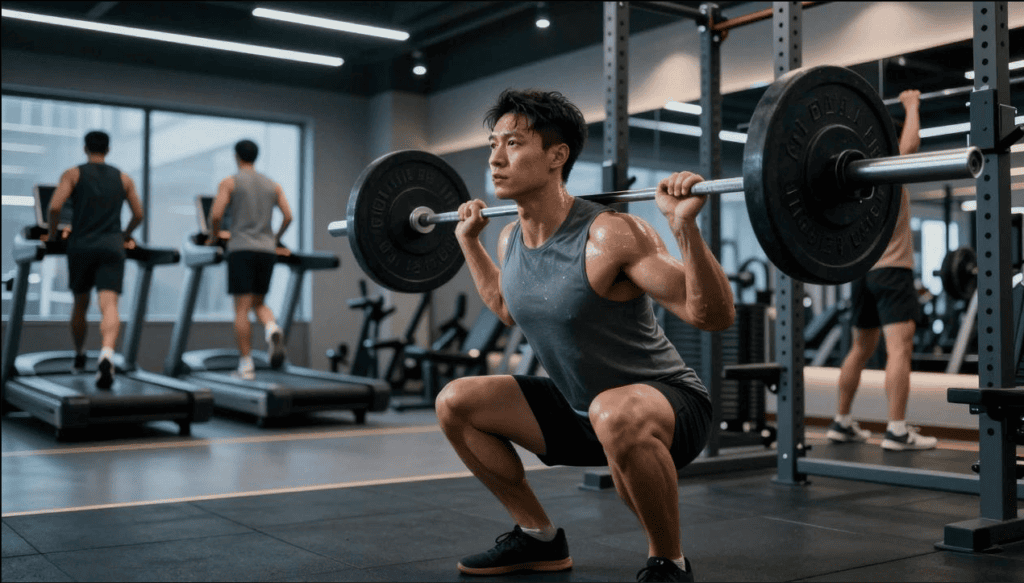
Squats are among the best exercises for developing lower-body strength. They target the quadriceps, hamstrings, glutes, and core muscles.
Strong leg muscles help athletes run faster, jump higher, and maintain better stability during sports activities.
How to perform squats:
- Stand with your feet shoulder-width apart.
- Keep your chest up and back straight.
- Slowly bend your knees and push your hips backward.
- Lower your body comfortably.
- Push through your feet to return to the starting position.
Beginners can start with 2–3 sets of 10 repetitions using body weight.
2. Sprint Training to Improve Running Speed
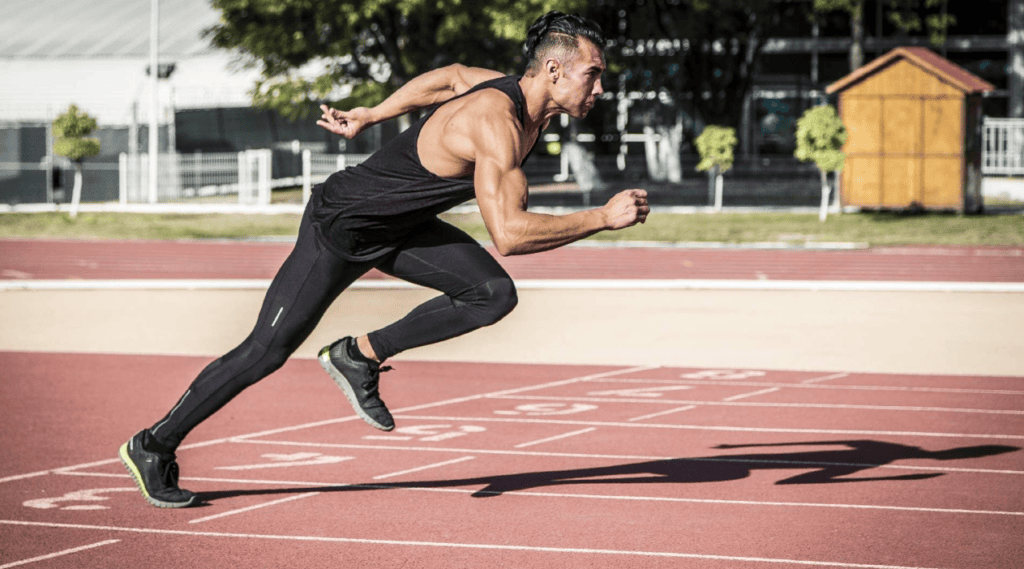
Sprint training is one of the most effective ways to develop running speed and acceleration. It trains your body to produce force quickly and improves coordination.
Football, basketball, soccer, and track athletes can benefit from short-distance sprint exercises.
How to perform sprint training:
- Start with 5–10 minutes of light jogging.
- Sprint for 10–20 seconds.
- Walk slowly to recover.
- Repeat 4–6 times according to your fitness level.
Always focus on proper running technique and allow enough recovery between sprints.
3. Push-Ups for Upper Body Strength
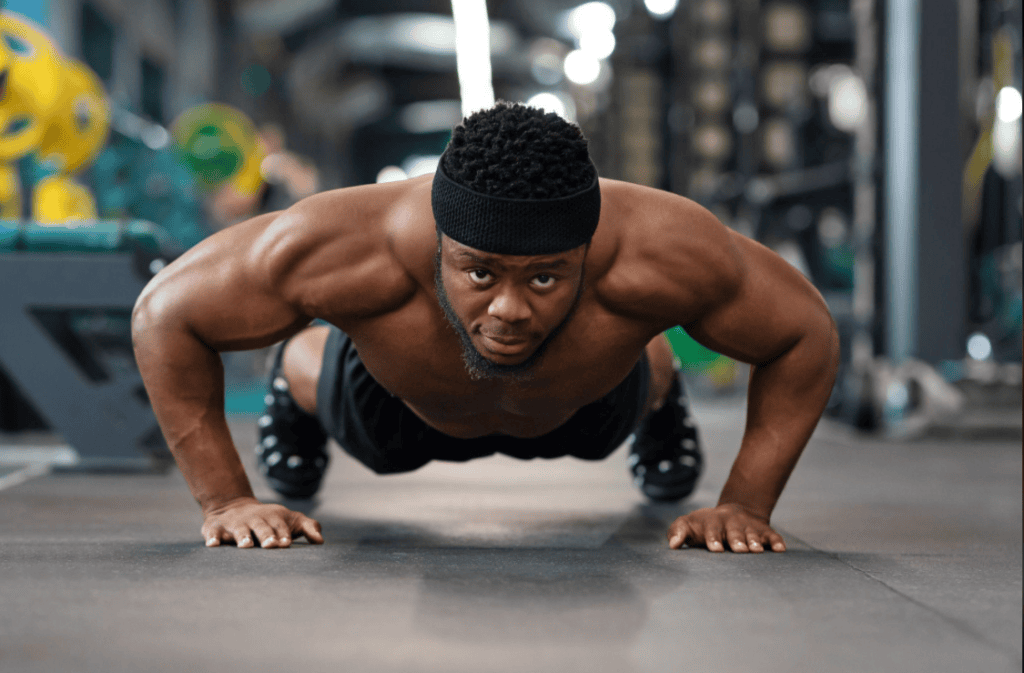
Push-ups are simple but effective exercises for strengthening the chest, shoulders, arms, and core muscles.
Upper-body strength helps athletes maintain balance and control their movements during physical activities.
How to perform push-ups:
- Place your hands slightly wider than shoulder-width.
- Keep your body straight.
- Slowly lower your chest toward the floor.
- Push your body upward.
- Repeat with controlled movements.
Beginners can start with 2 sets of 8–10 repetitions.
4. Jump Squats for Explosive Power
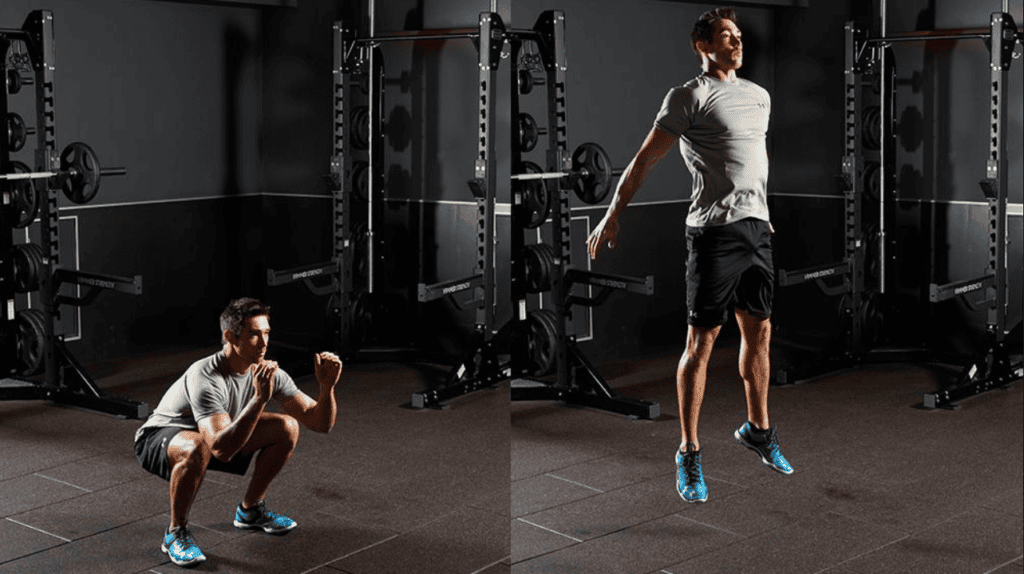
Jump squats help develop explosive lower-body power. They train your leg muscles to produce force quickly, which is useful for sprinting, jumping, and changing direction.
How to perform jump squats:
- Stand with your feet shoulder-width apart.
- Lower yourself into a comfortable squat.
- Push through your feet and jump upward.
- Land softly with your knees slightly bent.
- Reset before repeating.
Start with 2 sets of 5 repetitions and focus on safe landings.
5. Lunges for Balance and Leg Strength
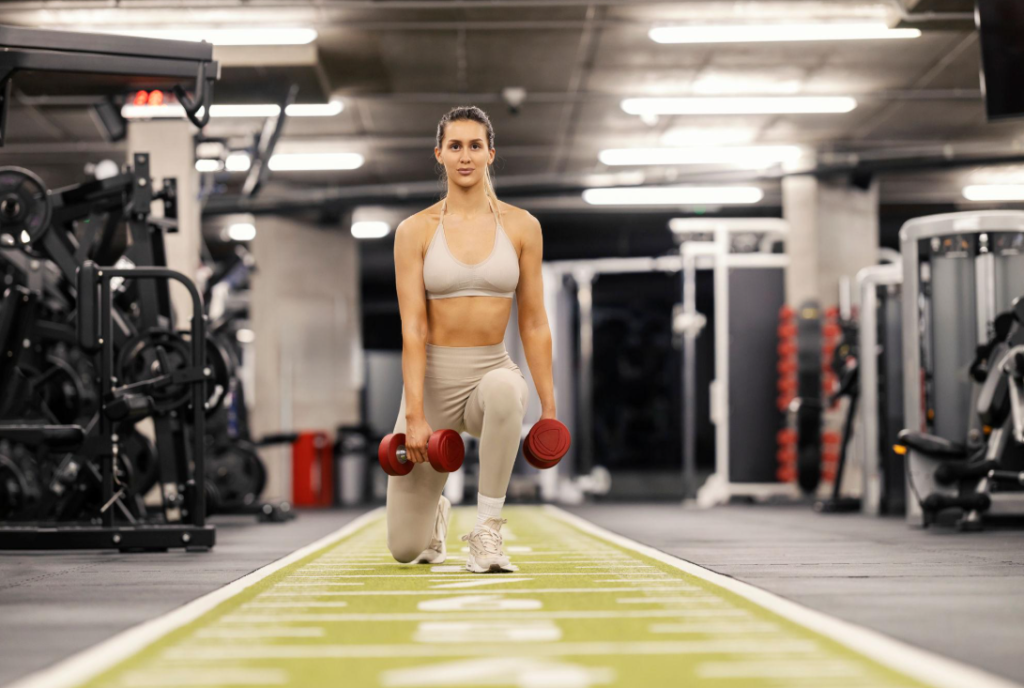
Lunges strengthen individual legs while improving balance and coordination. They target the quadriceps, hamstrings, and glutes.
These exercises are particularly useful for athletes who frequently run, jump, and change direction.
How to perform lunges:
- Stand upright with your feet together.
- Take one step forward.
- Bend both knees while keeping your upper body straight.
- Push through your front foot to return.
- Repeat with the opposite leg.
Perform 2 sets of 8 repetitions per leg.
6. Planks for Core Strength
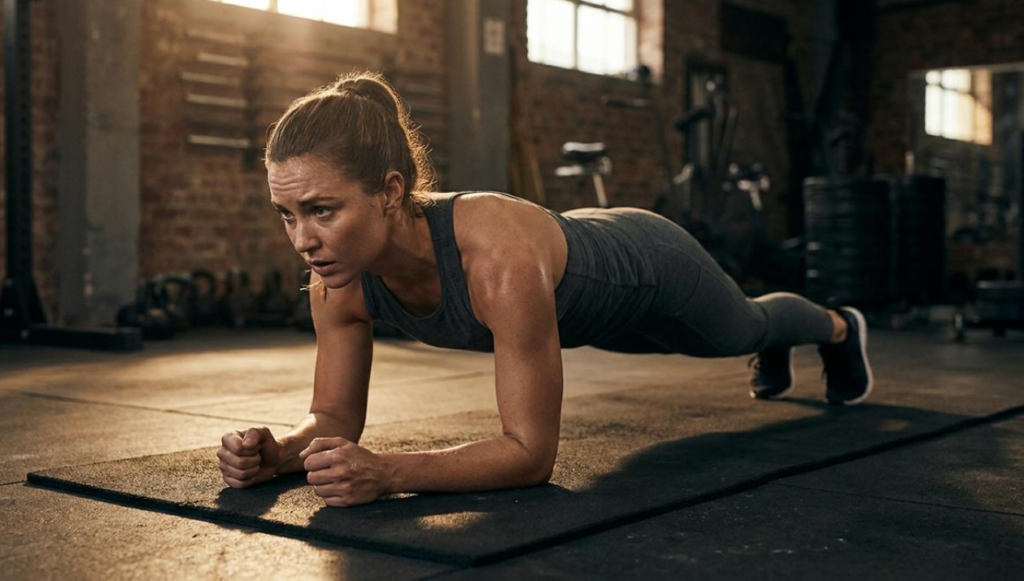
A strong core is important for maintaining balance and stability during sports activities.
Planks strengthen the abdominal muscles, back, and shoulders. Better core stability can support proper running posture and controlled movements.
How to perform a plank:
- Place your forearms on the floor.
- Extend your legs behind you.
- Keep your body in a straight line.
- Tighten your abdominal muscles.
- Hold the position for 20–30 seconds.
Gradually increase the holding time as your strength improves.
7. Box Jumps for Better Jumping Ability
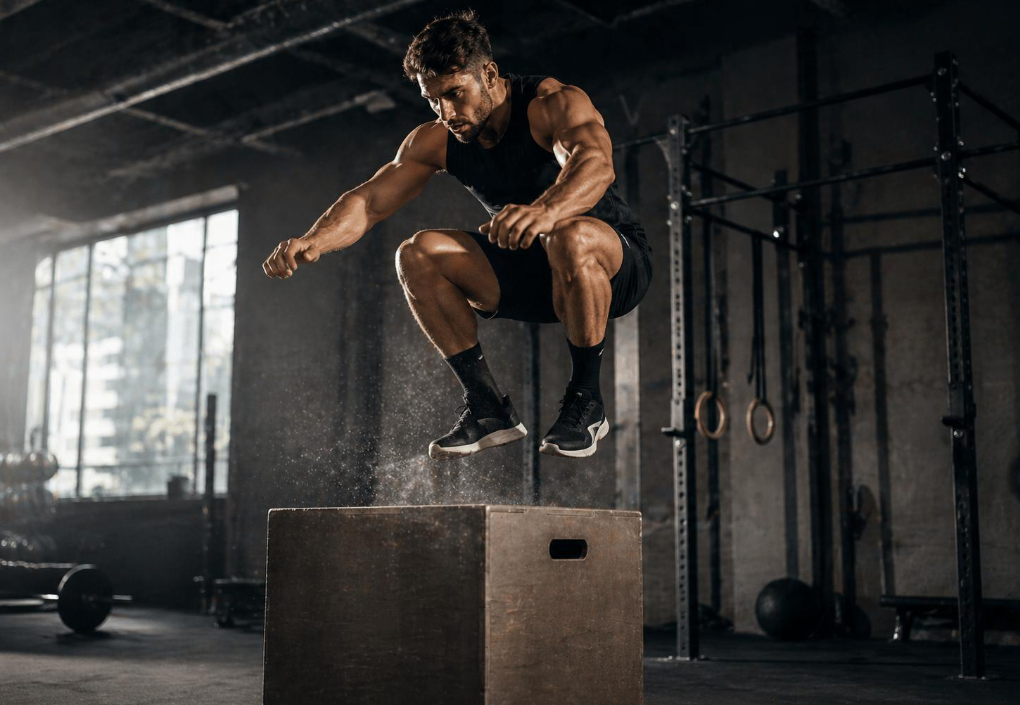
Box jumps are useful for developing explosive lower-body strength. They involve jumping onto a stable elevated platform and landing with control.
Basketball and volleyball players can benefit from exercises that develop jumping power.
How to perform box jumps:
- Stand in front of a stable, low platform.
- Bend your knees slightly.
- Swing your arms and jump onto the platform.
- Land softly with both feet.
- Step down carefully before repeating.
Start with 2 sets of 4–5 repetitions. Practice only when you can land safely.
8. Mountain Climbers for Endurance
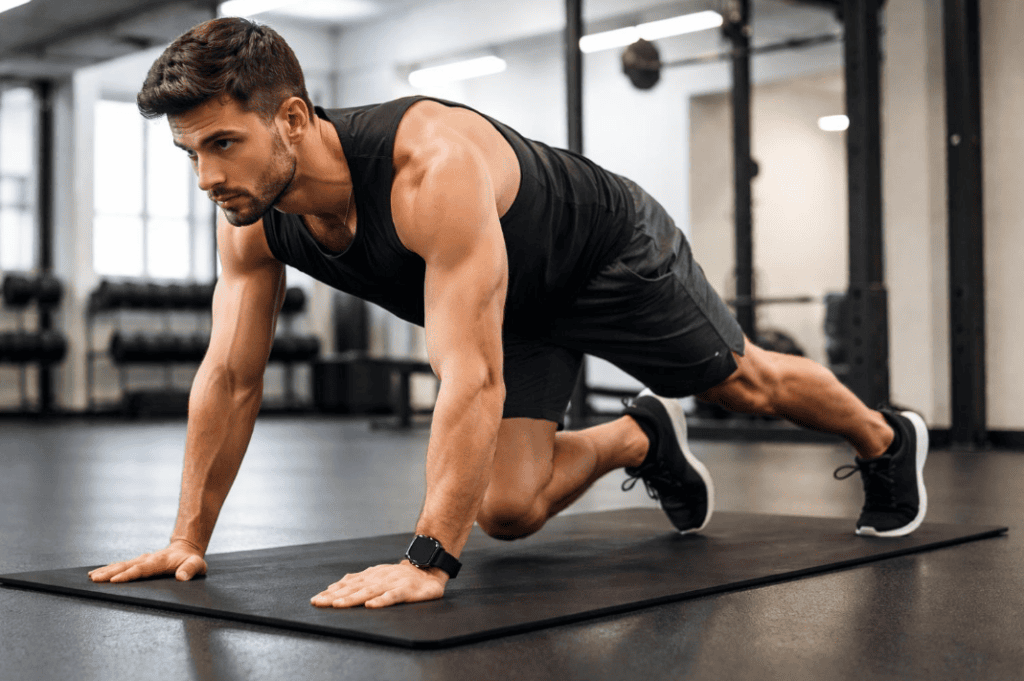
Mountain climbers combine core activation with cardiovascular activity. They help athletes improve conditioning while strengthening several muscle groups.
How to perform mountain climbers:
- Begin in a push-up position.
- Keep your hands under your shoulders.
- Bring one knee toward your chest.
- Switch legs in an alternating movement.
- Continue for 20–30 seconds.
Beginners can perform 2 sets at a comfortable pace.
9. Calf Raises for Stronger Lower Legs
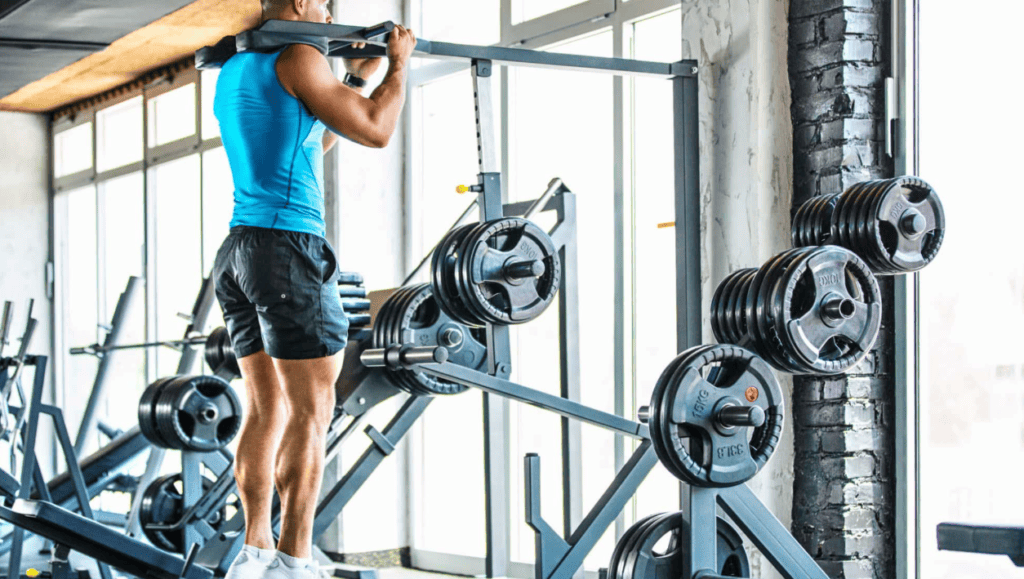
Calf raises strengthen the muscles in the lower legs. These muscles contribute to running, jumping, and pushing off the ground.
How to perform calf raises:
- Stand with your feet hip-width apart.
- Slowly raise your heels.
- Balance on the balls of your feet.
- Hold briefly at the top.
- Lower your heels slowly.
Perform 2–3 sets of 12–15 repetitions.
10. Agility Ladder Drills for Faster Movement
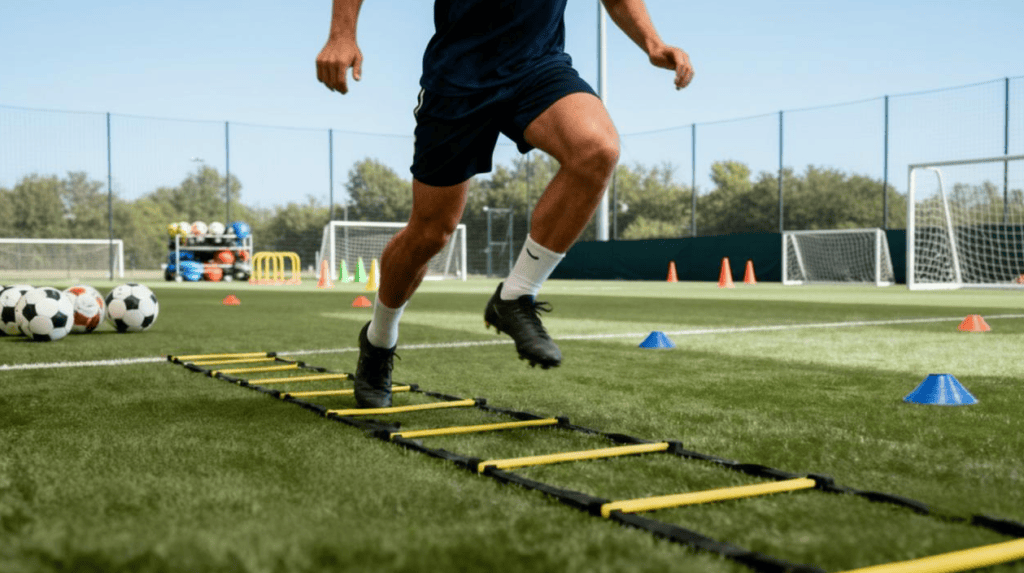
Agility ladder drills help athletes improve footwork, coordination, and quick movements.
These exercises are particularly useful for sports that require frequent direction changes, such as soccer, basketball, and tennis.
Popular agility ladder drills include:
- One-foot steps
- Two-foot steps
- Lateral movements
- In-and-out footwork
- Quick forward steps
Practice for 10–15 minutes while maintaining good technique.
Sample Weekly Training Routine for Athletes
Athletes should balance strength training, speed exercises, conditioning, and recovery. Here is a simple beginner-friendly weekly routine.
| Day | Training Focus |
|---|---|
| Monday | Squats, lunges, and push-ups |
| Tuesday | Sprint training and agility |
| Wednesday | Active recovery and stretching |
| Thursday | Jump squats, planks, and calf raises |
| Friday | Sprinting and footwork drills |
| Saturday | Light cardio and mobility |
| Sunday | Rest and recovery |
Adjust the routine according to your age, fitness level, and sport. Avoid intense training on consecutive days if your muscles have not recovered.
Important Tips to Improve Athletic Performance
Exercise alone is not enough to achieve better athletic performance. Athletes should also develop healthy habits that support recovery and consistent training.
1. Eat a Balanced Diet
Include protein, fruits, vegetables, whole grains, and healthy fats in your daily meals. Proper nutrition supports muscle development and provides energy for training.
2. Drink Enough Water
Stay hydrated before, during, and after exercise. Water helps regulate body temperature and supports normal muscle function.
3. Get Enough Sleep
Quality sleep is important for muscle recovery, concentration, and physical performance. Most adults need 7–9 hours of sleep each night.
4. Warm Up Before Training
Start with light jogging, dynamic stretching, and mobility exercises. A proper warm-up prepares your body for more intense physical activity.
5. Increase Training Gradually
Avoid increasing exercise intensity too quickly. Build your strength and speed step by step to reduce the risk of injury.
Common Training Mistakes Athletes Should Avoid
Many athletes make mistakes that can slow their progress and affect their performance.
Here are some common mistakes to avoid:
- Skipping warm-up exercises.
- Training with incorrect techniques.
- Ignoring rest and recovery.
- Increasing weights too quickly.
- Focusing only on strength instead of speed and mobility.
- Ignoring pain or signs of injury.
- Following an unrealistic training schedule.
Training consistently with proper technique is more beneficial than pushing your body beyond its limits.
Benefits of Combining Speed and Strength Training
Combining speed and strength exercises can provide several benefits for athletes.
Better Athletic Performance: Stronger muscles and faster movements can help athletes perform better in their chosen sports.
Improved Agility: Speed drills and coordination exercises help athletes change direction more efficiently.
Increased Explosive Power: Exercises such as jump squats and box jumps train muscles to produce force quickly.
Better Balance: Core exercises and lunges help develop stability and body control.
Improved Physical Fitness: A balanced training program supports muscular strength and cardiovascular conditioning.
In Simple Words
Improving speed and strength requires dedication, proper exercise techniques, and a balanced fitness routine. Exercises such as squats, sprint training, push-ups, lunges, jump squats, and agility drills can help athletes develop important physical abilities.
Whether you are a beginner or an experienced player, focus on gradual improvement, healthy nutrition, and sufficient recovery. With consistency and patience, you can build a stronger body, improve your movement, and become a more confident athlete.
Start with simple exercises today and make athletic fitness part of your daily routine.