
Introduction
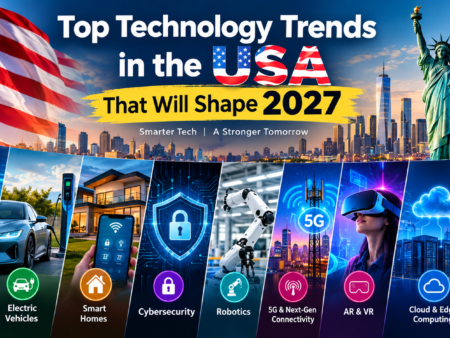
Technology continues to transform the way people live, work, learn, and communicate. From artificial intelligence to cloud computing and smart devices, innovation is changing nearly every industry. Businesses use technology to improve productivity, while individuals rely on it for education, entertainment, shopping, and communication. Understanding modern technology helps people prepare for future opportunities and challenges.Technology continues to transform the way people live, work, learn, and communicate. From artificial intelligence to cloud computing and smart devices, innovation is changing nearly every industry. Businesses use technology to improve productivity, while individuals rely on it for education, entertainment, shopping, and communication. Understanding modern technology helps people prepare for future opportunities and challenges.
Artificial Intelligence
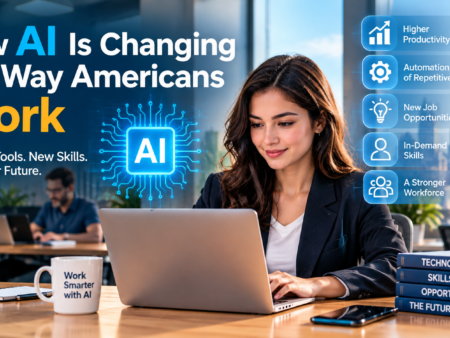
Artificial intelligence is becoming a key part of everyday life. AI powers virtual assistants, recommendation systems, customer support, healthcare tools, and business automation. Companies use AI to analyze data, improve decision-making, and reduce repetitive work while creating better customer experiences.
Cloud Computing
Cloud computing allows users to store files and run applications over the internet instead of relying only on local computers. It offers flexibility, scalability, and lower infrastructure costs for businesses of all sizes.
Cybersecurity
As technology grows, protecting digital information becomes more important. Strong passwords, multi-factor authentication, regular software updates, and employee awareness help reduce cyber risks. Organizations invest heavily in cybersecurity to protect customer data and business operations.
The Internet of Things
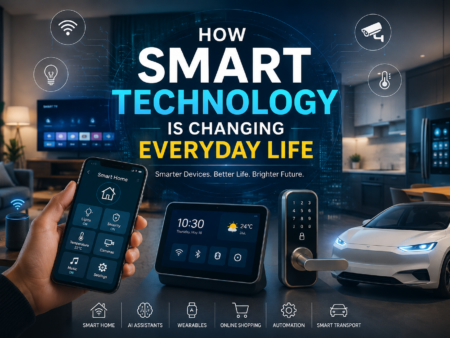
Smart devices connected through the Internet of Things are making homes, factories, and cities more efficient. Smart lights, security cameras, wearable devices, and connected appliances improve convenience and collect useful data.
5G and Connectivity
Modern mobile networks provide faster internet speeds and lower latency, making video streaming, online gaming, remote work, and connected devices more reliable.
Technology in Education
Online learning platforms, virtual classrooms, AI tutors, and interactive learning tools have expanded access to education. Students can now learn new skills from anywhere in the world.
Technology in Business
Digital transformation helps businesses automate processes, improve customer service, analyze market trends, and reach global audiences through e-commerce and digital marketing.
Challenges
Rapid technological growth also creates challenges such as privacy concerns, misinformation, digital inequality, and ethical questions around artificial intelligence. Responsible innovation is essential for long-term success.
Future Outlook
Future technologies such as quantum computing, advanced robotics, biotechnology, and sustainable energy solutions are expected to shape the next decade. People who continuously learn digital skills will be better prepared for changing career opportunities.
Conclusion
Technology is more than a collection of devices; it is a driving force behind innovation and economic growth. By understanding emerging trends and using technology responsibly, individuals and businesses can benefit from a smarter, more connected future.