
Introduction
Healthy, glowing skin is something many people want, but achieving it does not always require expensive skincare products or complicated beauty routines. Sometimes, simple skincare ingredients found in nature can help support healthier-looking skin.
Natural skincare has become increasingly popular in the United States as consumers look for gentle skincare options, plant-based ingredients, and products that fit their daily routines.
Ingredients such as aloe vera, honey, turmeric, green tea, and rose water are widely used in skincare products because of their moisturizing, soothing, and antioxidant properties.
However, natural does not automatically mean safe for everyone. Some ingredients can cause irritation or allergic reactions, so choosing the right products is important.
In this guide, we will explore 10 of the best natural skincare ingredients for glowing skin, their potential benefits, and how to include them in a simple skincare routine.
1. Aloe Vera – A Natural Ingredient for Hydrated Skin
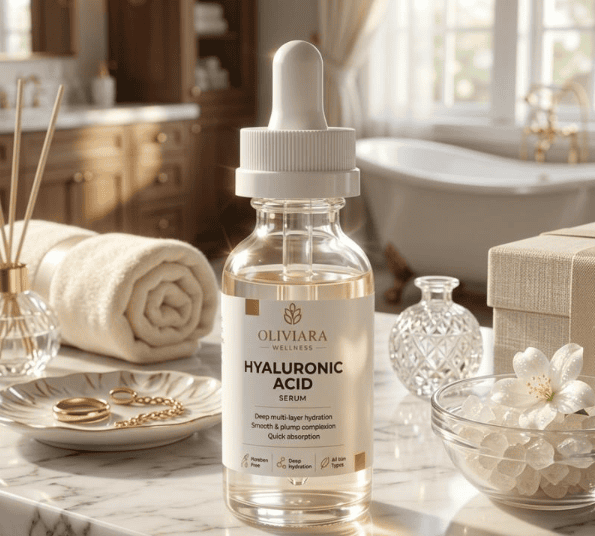
Aloe vera is one of the most popular ingredients in natural skincare. It is commonly found in moisturizers, soothing gels, and skincare products designed for dry or irritated skin.
Aloe vera gel contains water and other compounds that can help hydrate and soothe the skin.
Potential benefits:
- Helps moisturize dry skin.
- Provides a cooling sensation.
- Can soothe minor skin irritation.
- Supports a comfortable skin feel.
How to use it: Choose a fragrance-free aloe vera gel formulated for facial use. Apply a small amount after cleansing and check how your skin responds.
2. Honey – A Natural Moisturizing Ingredient
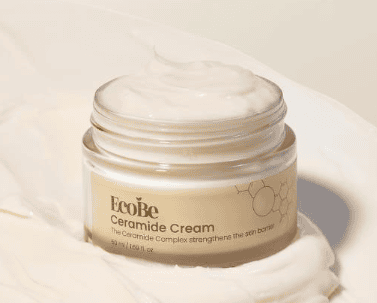
Honey is widely used in beauty products because it acts as a humectant, meaning it helps attract and retain moisture.
It also contains compounds that have been studied for their antimicrobial properties.
Potential benefits:
- Helps maintain skin moisture.
- Leaves skin feeling soft.
- Supports a smoother-looking complexion.
- Contains antioxidant compounds.
How to use it: Look for facial cleansers or moisturizing masks containing honey. Avoid applying food-grade honey to irritated or broken skin.
3. Turmeric – A Popular Botanical Skincare Ingredient
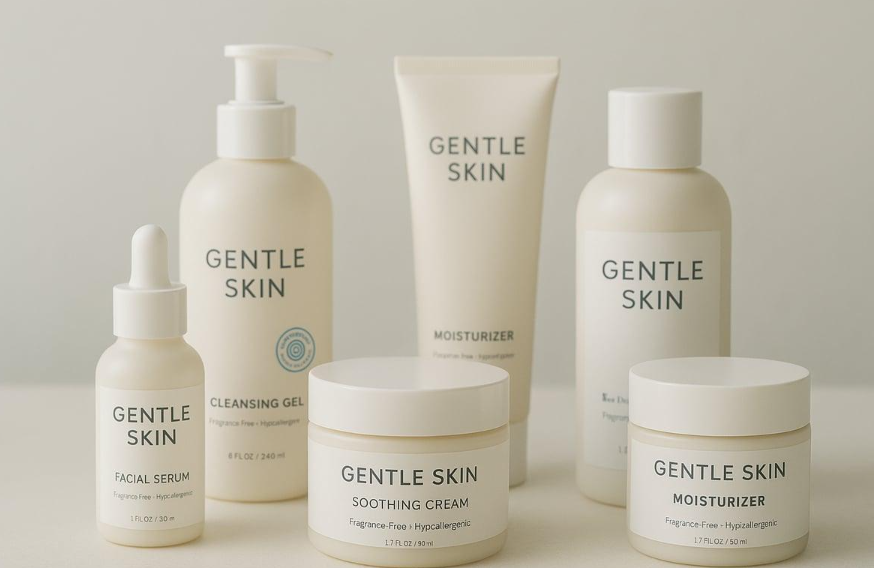
Turmeric has been used traditionally in beauty and wellness practices for generations. It contains curcumin, a compound known for its antioxidant and anti-inflammatory properties.
Turmeric is increasingly included in natural skincare formulations.
Potential benefits:
- Provides antioxidant compounds.
- May help soothe the appearance of irritated skin.
- Supports an even-looking complexion.
- Can be included in botanical skincare formulations.
How to use it: Choose a properly formulated turmeric face mask or skincare product. Avoid using concentrated turmeric directly on your face because it can irritate or temporarily stain the skin.
4. Green Tea – Rich in Antioxidants
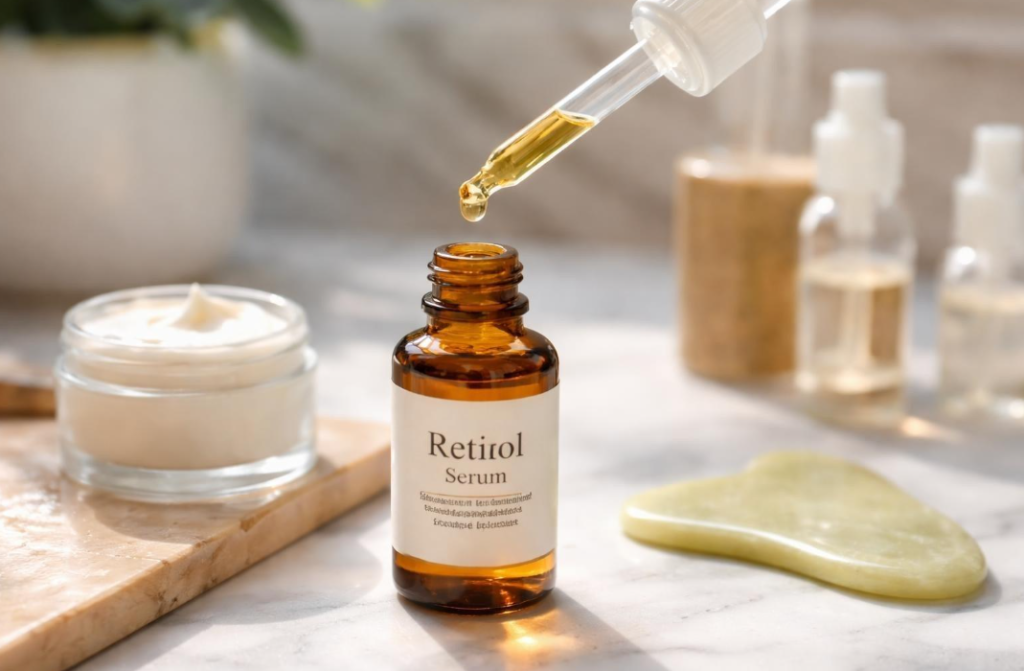
Green tea is another popular ingredient in modern skincare products. It contains polyphenols, particularly EGCG, which have antioxidant properties.
Antioxidants help protect the skin from oxidative stress caused by environmental factors.
Potential benefits:
- Provides antioxidant protection.
- May help calm the appearance of redness.
- Supports healthy-looking skin.
- Can be useful in skincare products designed for oily skin.
How to use it: Try a green tea-based serum, moisturizer, or facial cleanser.
5. Rose Water – A Refreshing Skincare Ingredient
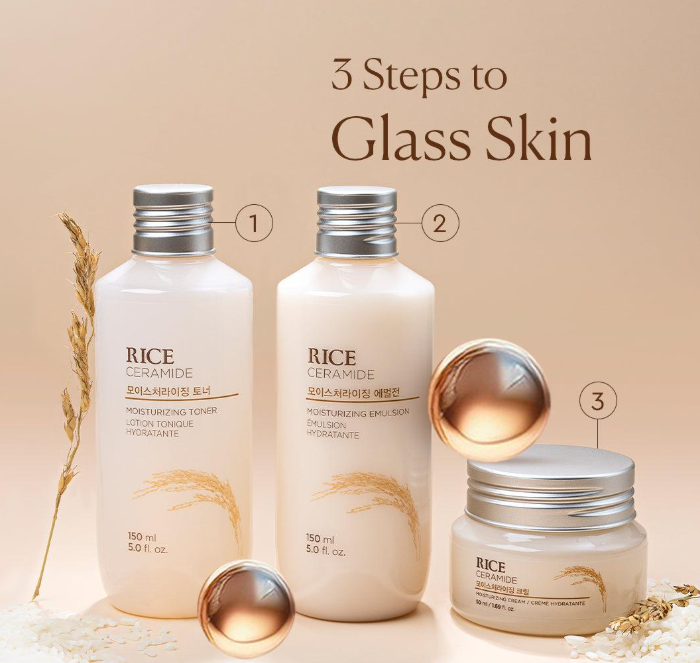
Rose water is commonly used in skincare as a refreshing facial mist and cosmetic ingredient.
It can provide a light, refreshing feeling and is often included in toners and facial sprays.
Potential benefits:
- Refreshes the skin.
- Provides light hydration.
- Can help skin feel comfortable.
- Works well in simple skincare routines.
How to use it: Apply a fragrance-free rose water product after cleansing. If you have sensitive skin, test it first because botanical fragrances can trigger irritation.
6. Coconut Oil – A Natural Moisturizing Option

Coconut oil is known for its moisturizing properties and is commonly used in body care products.
It helps reduce moisture loss by forming a protective layer on the skin.
Potential benefits:
- Helps soften dry skin.
- Reduces moisture loss.
- Supports the skin’s protective barrier.
- Works well for some dry body areas.
How to use it: Coconut oil may work better on dry body skin than facial skin. It can clog pores in some people, especially those prone to acne, so avoid using it on acne-prone areas.
7. Oatmeal – A Gentle Ingredient for Sensitive Skin
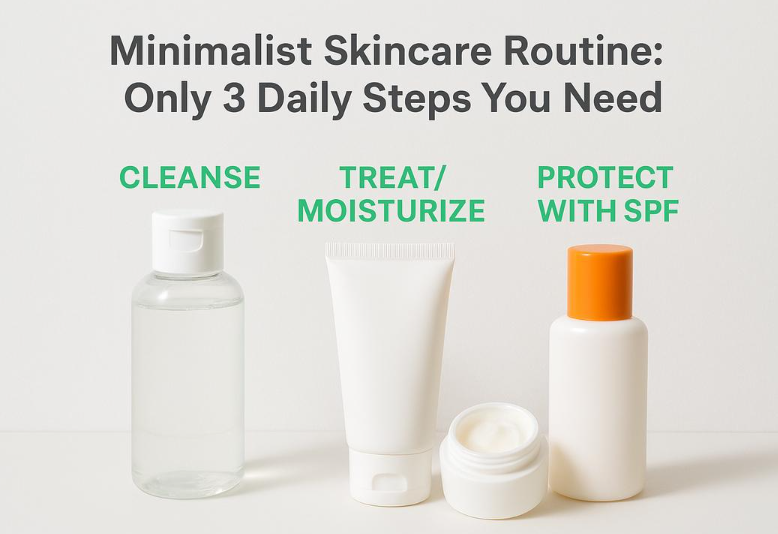
Oatmeal, particularly colloidal oatmeal, is a well-known skincare ingredient used in products for dry and sensitive skin.
It contains compounds that help soothe the skin and support its moisture barrier.
Potential benefits:
- Helps soothe dry and itchy skin.
- Supports skin hydration.
- Helps protect the skin barrier.
- Can be suitable for sensitive skin.
How to use it: Look for moisturizers and cleansers containing colloidal oatmeal, especially if your skin tends to feel dry or uncomfortable.
8. Cucumber – A Refreshing Ingredient for Skin
Cucumber is frequently used in facial masks, cooling gels, and refreshing skincare products.
Its high water content makes it a popular ingredient in products designed to refresh and hydrate the skin.
Potential benefits:
- Provides a refreshing sensation.
- Helps temporarily hydrate the skin.
- Can soothe the feeling of tired skin.
- Adds moisture to skincare formulations.
How to use it: Choose cucumber-based facial gels or moisturizers. Avoid placing homemade mixtures near your eyes.
9. Jojoba Oil – A Lightweight Moisturizing Ingredien
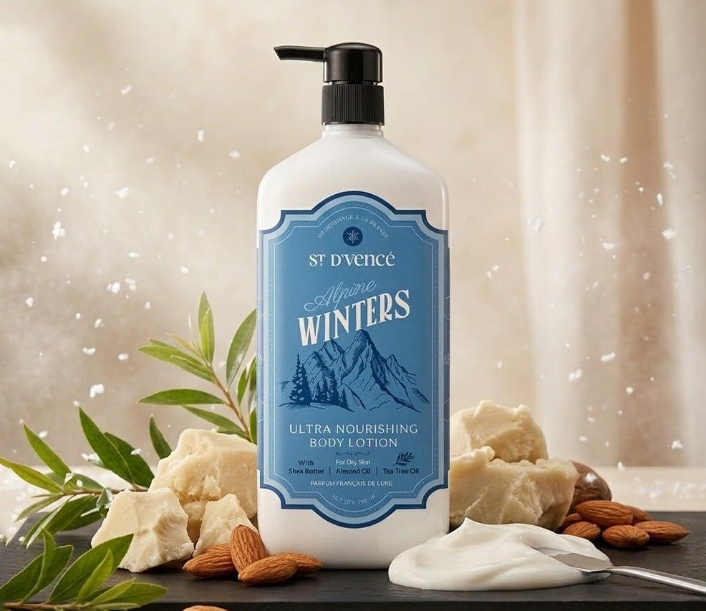
Jojoba oil is widely used in skincare because its composition resembles some of the natural wax esters found in human sebum.
It is included in facial oils, moisturizers, and other beauty products.
Potential benefits:
- Helps soften dry skin.
- Supports moisture retention.
- Provides a smooth skin feel.
- Can be used in different skincare formulations.
How to use it: Apply a small amount of a facial product containing jojoba oil. Introduce it gradually and monitor your skin for irritation or clogged pores.
10. Vitamin E – An Antioxidant Used in Skincare

Vitamin E is an antioxidant commonly included in moisturizers, facial oils, and anti-aging skincare products.
It helps protect cosmetic formulations and can support the skin’s moisture barrier.
Potential benefits:
- Provides antioxidant benefits.
- Helps moisturize dry skin.
- Supports the skin barrier.
- Commonly used in nourishing skincare products.
How to use it: Choose a moisturizer or serum containing vitamin E rather than applying concentrated vitamin E capsules directly to your face.
How to Build a Simple Natural Skincare Routine
Using natural skincare ingredients does not mean you need to apply all ten ingredients every day. A simple and consistent routine is usually a better starting point.
Morning skincare routine
- Cleanse your face with a gentle facial cleanser.
- Apply a suitable hydrating serum.
- Use a moisturizer containing ingredients such as aloe vera or oatmeal.
- Finish with broad-spectrum SPF 30 or higher sunscreen.
Evening skincare routine
- Remove makeup and sunscreen.
- Wash your face with a gentle cleanser.
- Apply a suitable moisturizing product.
- Use a moisturizer containing jojoba oil, oatmeal, or vitamin E if appropriate for your skin.
Consistency is more important than using too many products.
Natural Skincare Mistakes You Should Avoid
Natural skincare can be helpful, but using ingredients incorrectly may cause skin problems.
Here are some common mistakes to avoid:
- Using too many ingredients: Combining several new products can increase the risk of irritation.
- Skipping sunscreen: Natural skincare products do not replace sunscreen.
- Ignoring patch testing: Always test new products on a small area first.
- Applying lemon juice directly: Lemon juice can irritate skin and increase sensitivity to sunlight.
- Using coconut oil on acne-prone skin: It may clog pores for some people.
- Expecting instant results: Healthy-looking skin requires consistent care.
If you experience persistent irritation, acne, or other skin concerns, consult a qualified dermatologist.
How to Choose the Best Natural Skincare Products
Before purchasing natural skincare products, consider these important factors:
- Check the ingredient list: Understand what ingredients are included in the formula.
- Choose suitable products: Consider whether your skin is oily, dry, combination, or sensitive.
- Avoid unnecessary fragrance: Fragrance-free products may be a better choice for sensitive skin.
- Look for reputable brands: Choose products from manufacturers with transparent ingredient information.
- Check product claims: Natural does not automatically mean clinically proven or hypoallergenic.
Conclusion
Natural skincare ingredients can be a useful part of a healthy beauty routine. Aloe vera, honey, green tea, oatmeal, jojoba oil, and other botanical ingredients offer different moisturizing, soothing, and antioxidant properties.
However, every person’s skin is different. An ingredient that works well for one person may not suit another.
The best approach is to choose products based on your skin type, introduce new ingredients gradually, maintain a consistent skincare routine, and use sunscreen every day.
With the right products and healthy skincare habits, you can support a naturally healthy-looking and glowing complexion.