
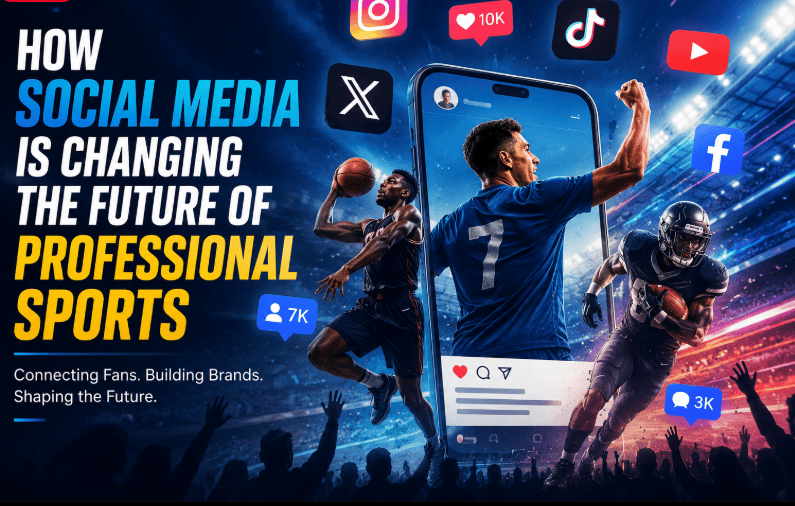
Social media has become one of the most powerful forces shaping professional sports. Platforms such as Instagram, TikTok, YouTube, Facebook, X, and other digital channels have changed how fans follow athletes, how teams promote themselves, and how sports organizations build global audiences. What was once limited to television broadcasts, newspapers, and sports websites can now reach millions of people within seconds.
In 2026, social media is no longer simply a marketing tool for professional sports. It has become an essential part of the sports business, fan experience, athlete branding, and media strategy. From behind-the-scenes videos to live updates and short-form content, social platforms are creating new opportunities for teams, players, leagues, sponsors, and fans.
The Growing Influence of Social Media on Sports
Professional sports have always depended on passionate fans, but social media has made fan engagement faster and more interactive. Fans no longer need to wait for a newspaper article or television program to learn about their favorite team. They can receive match updates, player announcements, interviews, highlights, and breaking news directly on their phones.
A single post from a professional athlete can reach millions of followers around the world. This gives athletes and teams the ability to communicate directly with audiences without depending entirely on traditional media organizations.
Social media has also made professional sports more global. A basketball team in the United States, a football club in Europe, or a cricket team in South Asia can attract supporters from almost any country through consistent digital content.
Athletes Are Becoming Global Brands
One of the biggest changes brought by social media is the transformation of professional athletes into personal brands.
In the past, an athlete’s public image was largely controlled by television networks, newspapers, magazines, and professional sports organizations. Today, athletes can communicate directly with fans through their own social media accounts.
Players can share training routines, personal achievements, travel experiences, interviews, family-friendly moments, and opinions about their careers. This helps fans see a more personal side of athletes and creates stronger connections between players and audiences.
A successful social media presence can also create additional business opportunities. Athletes may attract sponsorships, partnerships, merchandise sales, and other commercial opportunities because brands want to connect with their large and engaged audiences.
Short-Form Video Is Changing Sports Content
Short-form video has become one of the most important formats in modern sports marketing. Platforms such as TikTok, Instagram Reels, and YouTube Shorts allow teams and athletes to transform important moments into highly shareable content.
A spectacular goal, impressive basketball play, incredible catch, emotional celebration, or funny training moment can become popular within minutes.
This type of content is particularly effective for younger audiences who prefer quick and visually engaging videos. Sports organizations are therefore investing more effort into producing vertical videos, behind-the-scenes clips, player challenges, interviews, and entertaining content.
The future of sports content will likely involve a mixture of traditional long-form coverage and short-form social media entertainment.
Social Media Creates Direct Fan Engagement
Traditional sports broadcasting is mainly one-way communication. Viewers watch a game, but their ability to communicate with players or teams is limited.
Social media has changed that relationship.
Fans can comment on posts, participate in polls, share opinions, ask questions, join live streams, and communicate with other supporters. Teams can respond to fans and create digital communities around their brands.
This interaction makes supporters feel more involved with their favorite organizations. Instead of simply being spectators, fans can become active participants in the digital sports experience.
Live social media coverage is especially important during major games and events. Real-time posts, reactions, statistics, interviews, and behind-the-scenes content can keep fans engaged before, during, and after a match.
Social Media and Sports Marketing
Social media has also transformed sports marketing. Professional teams and leagues can promote games, merchandise, sponsorships, events, and special campaigns directly to targeted audiences.
Instead of relying only on traditional advertising, sports organizations can create customized digital campaigns for different groups of fans.
For example, a team might publish different content for local supporters, international fans, younger audiences, or followers interested in specific players.
Social platforms also provide valuable audience data. Sports marketers can analyze engagement, views, shares, comments, and other metrics to understand which types of content perform best.
This information can help organizations improve their marketing strategies and make better decisions about future campaigns.
The Importance of Sponsorships
Social media is creating new opportunities for sports sponsorships. Brands increasingly want more than traditional stadium advertising. They want digital exposure and meaningful connections with fans.
An athlete with a large and engaged following can provide valuable exposure for a sponsor through sponsored posts, videos, product collaborations, and digital campaigns.
Sports teams can also create branded social media content featuring sponsors. This gives companies additional visibility while allowing teams to generate revenue beyond traditional sponsorship arrangements.
As social media audiences continue to grow, digital engagement is likely to become an even more important part of sports sponsorship deals.
Social Media Is Helping Smaller Sports Grow
Another major advantage of social media is that it can help sports that receive less traditional television coverage reach new audiences.
Not every sport receives the same level of attention from major broadcasters. However, social media gives smaller leagues, emerging competitions, and individual athletes a platform to promote themselves.
A compelling video can introduce an unfamiliar sport to millions of people. This can help attract new fans, sponsors, athletes, and investment.
Social media therefore has the potential to make the professional sports industry more diverse by giving more competitions an opportunity to build audiences.
The Role of Social Media in Sports News
Sports news has also become faster because of social media. Teams and athletes can announce transfers, injuries, signings, retirements, achievements, and other developments directly to their followers.
Fans often discover breaking sports news through social platforms before traditional media outlets publish detailed reports.
However, this speed also creates challenges. False information, misleading posts, edited videos, and unverified rumors can spread quickly.
Professional sports organizations and fans must therefore pay greater attention to reliable sources. Official team accounts, league websites, and verified athlete accounts can help reduce confusion when important news is developing.
The Rise of Behind-the-Scenes Content
Fans increasingly want to see what happens away from the field or court. Behind-the-scenes content gives supporters access to training sessions, locker-room preparations, team travel, interviews, celebrations, and daily athlete routines.
This content can make professional sports feel more personal and authentic.
Instead of seeing only the final performance, fans can learn about the preparation and hard work behind it. This can increase appreciation for athletes and strengthen emotional connections between fans and teams.
Challenges for Professional Athletes
Although social media provides many benefits, it also creates challenges.
Professional athletes face constant public attention. A single controversial post or comment can generate significant criticism. Athletes may also experience online abuse, harassment, or unrealistic expectations from followers.
Managing social media can therefore require time and professional support. Many athletes and teams now work with communications professionals who help manage digital platforms, protect public reputations, and develop content strategies.
Maintaining a healthy balance between personal life and public communication will remain an important issue as social media becomes even more influential.
The Future of Social Media in Professional Sports
The future of social media and professional sports will likely become even more interactive. New technologies can create opportunities for personalized content, immersive experiences, real-time statistics, and stronger connections between fans and athletes.
Artificial intelligence may also help sports organizations create and distribute content more efficiently. Automated highlights, personalized recommendations, multilingual content, and data-driven marketing could become increasingly common.
At the same time, authenticity will remain important. Fans are more likely to engage with content that feels genuine rather than overly promotional.
The most successful sports organizations will likely combine technology with human storytelling. The goal will not simply be to collect followers but to build active and loyal communities.
Conclusion
Social media is fundamentally changing the future of professional sports. It has transformed athletes into global brands, created direct communication between teams and fans, expanded sports marketing opportunities, and helped smaller competitions reach new audiences.
Short-form videos, live updates, behind-the-scenes content, sponsorship campaigns, and digital communities are becoming essential parts of the modern sports industry.
As technology continues to develop, social media will likely play an even larger role in how professional sports are watched, marketed, discussed, and experienced.
For teams, athletes, leagues, and sponsors, adapting to this digital environment is no longer optional. Social media has become a central part of the modern sports business—and its influence is only expected to grow.