
Introduction
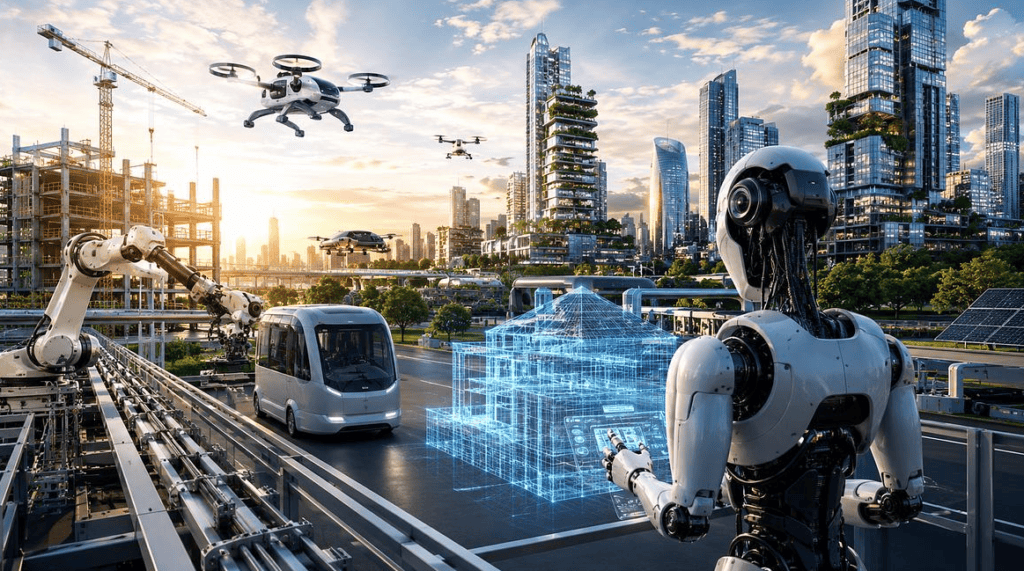
Technology is evolving faster than ever, changing how people live, work, communicate, and do business. As we move into 2027, emerging technologies are expected to play an important role in shaping the future. From Artificial Intelligence (AI) and robotics to quantum computing and smart cities, innovation is creating new opportunities across the world.
In the United States, businesses, educational institutions, healthcare providers, and technology companies are increasingly exploring advanced digital solutions to improve efficiency and productivity.
These innovations are not just changing industries. They are also transforming everyday experiences, making technology an essential part of modern life.
In this article, we will explore the top 10 emerging technologies that could shape the future in 2027 and explain how they may impact individuals, businesses, and society.
1. Artificial Intelligence (AI)
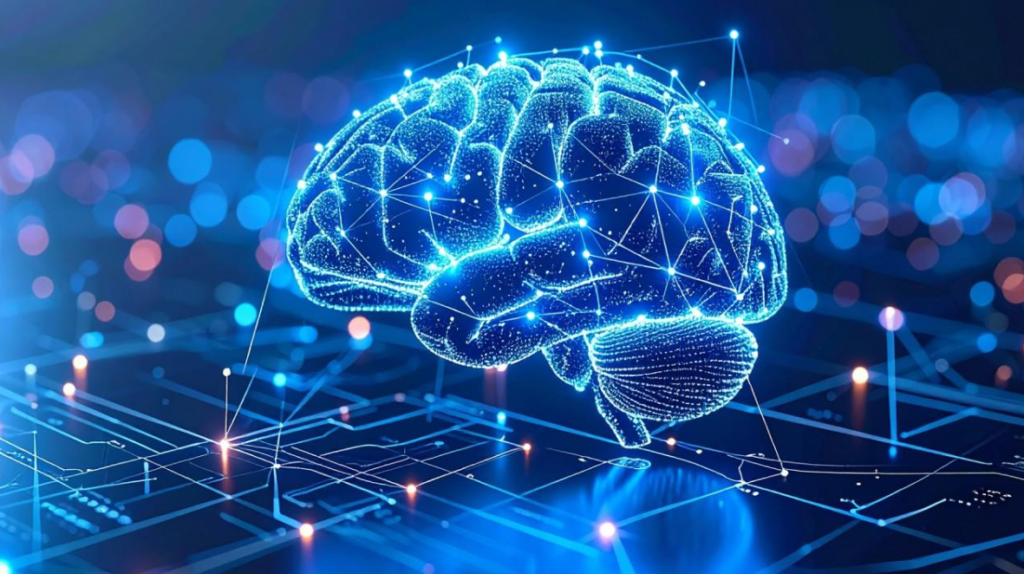
Artificial Intelligence is one of the most important technologies shaping the modern world. AI systems can analyze information, recognize patterns, generate content, and help people complete complex tasks.
In 2027, AI is expected to become even more integrated into business operations, education, healthcare, and customer service.
Companies are using AI-powered tools to automate repetitive work, improve customer experiences, and make better decisions.
Key benefits of AI:
- Automates repetitive tasks.
- Helps businesses analyze large amounts of data.
- Supports personalized customer experiences.
- Improves productivity and efficiency.
- Assists in research and problem-solving.
AI will continue to influence how people work and interact with digital services.
2. Robotics and Automation
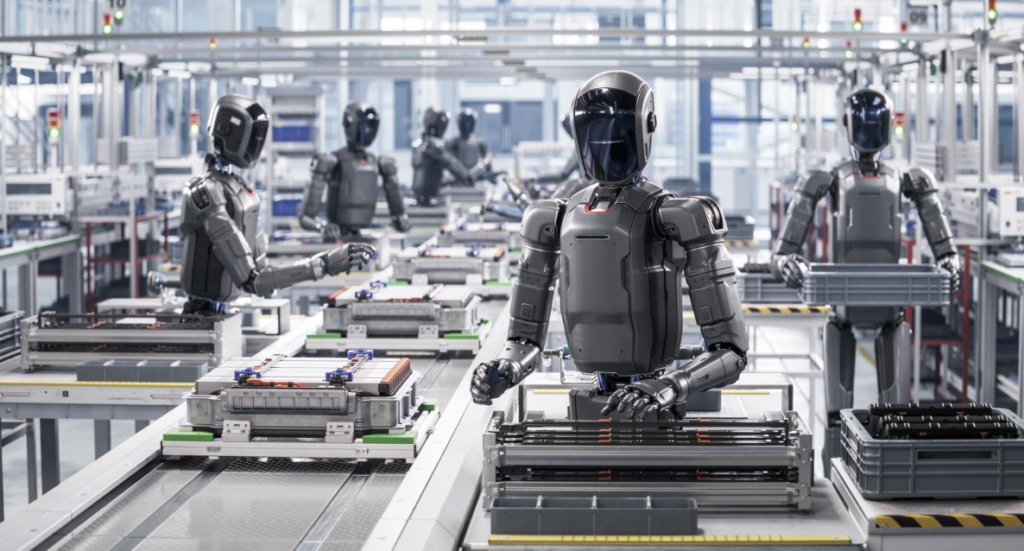
Robotics is transforming industries by allowing machines to perform tasks that previously required human effort.
Modern robots are becoming more advanced through AI, sensors, and machine learning. They can assist with manufacturing, warehouse operations, healthcare, and transportation.
In 2027, businesses may increasingly adopt intelligent robots to improve workplace productivity and reduce repetitive manual work.
Major applications include:
- Manufacturing and industrial production.
- Healthcare assistance.
- Warehouse management.
- Agricultural automation.
- Customer service.
Robotics could create new job opportunities while also changing the skills workers need.
3. Quantum Computing
Quantum computing is an advanced technology that uses principles of quantum physics to process information in different ways from traditional computers.
Unlike conventional computers, quantum computers use quantum bits, known as qubits.
This technology has the potential to help researchers explore complex problems in areas such as medicine, chemistry, materials science, and optimization.
Although practical quantum computing is still developing, 2027 could bring further research breakthroughs and improvements.
Potential applications:
- Drug discovery.
- Advanced scientific research.
- Financial modeling.
- Materials development.
- Complex optimization problems.
Quantum computing could become an important part of future scientific innovation.
4. 5G and 6G Connectivity
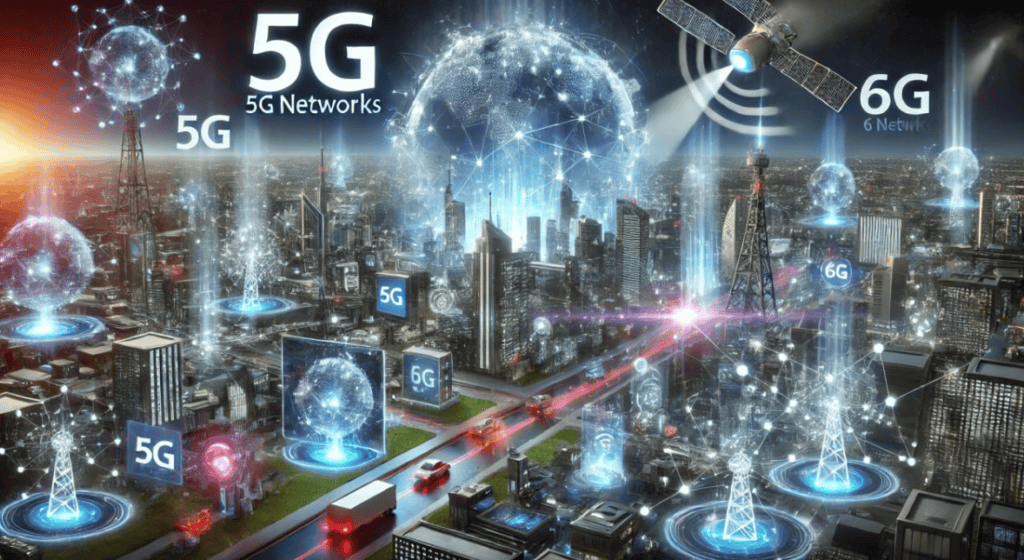
Wireless connectivity is becoming faster and more important as people rely on connected devices and digital services.
5G technology provides high-speed connectivity and lower latency compared with earlier mobile network generations.
Meanwhile, 6G research is exploring the next generation of wireless communication. It could eventually support more advanced applications, including intelligent networks, immersive digital experiences, and connected transportation.
Important possibilities include:
- Faster mobile communication.
- Improved connected devices.
- Smart city infrastructure.
- Advanced virtual experiences.
- Better industrial connectivity.
Although 6G is still in the research and development stage, it represents an important direction for future communication technology.
5. Extended Reality (AR, VR, and MR)
Extended Reality (XR) includes Augmented Reality (AR), Virtual Reality (VR), and Mixed Reality (MR).
These technologies combine digital content with real-world or virtual environments, creating interactive experiences.
In 2027, XR could become increasingly useful in education, gaming, healthcare, retail, and professional training.
For example, students may use virtual environments to explore scientific concepts, while businesses can use immersive simulations to train employees.
Key uses of XR:
- Virtual classrooms.
- Interactive gaming.
- Medical training.
- Virtual shopping experiences.
- Workplace simulations.
XR has the potential to make digital experiences more engaging and interactive.
6. Cybersecurity and AI-Powered Security

As digital services expand, protecting personal and business information is becoming increasingly important.
Cybersecurity technologies help protect computers, networks, applications, and sensitive data from cyberattacks.
AI-powered cybersecurity tools can identify unusual activities, detect potential threats, and help security teams respond more quickly.
In 2027, organizations will likely continue investing in advanced security systems as cyber threats become more sophisticated.
Important cybersecurity technologies:
- AI-powered threat detection.
- Biometric authentication.
- Multi-factor authentication.
- Cloud security.
- Zero-trust security systems.
Strong cybersecurity will remain essential for businesses and individuals using digital platforms.
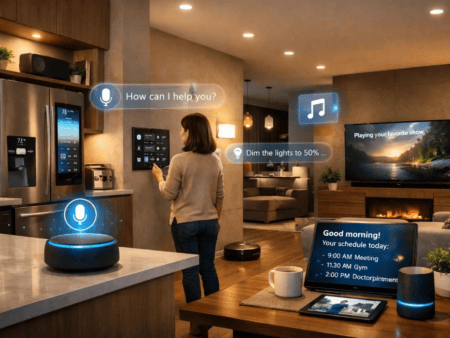
7. Internet of Things (IoT) and Smart Homes
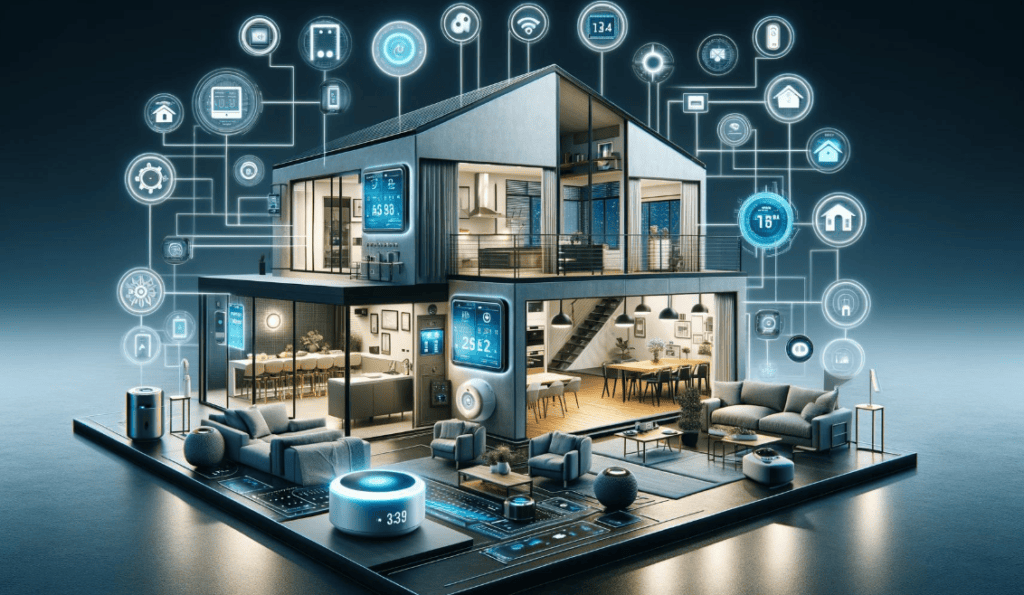
The Internet of Things (IoT) connects everyday physical devices to the internet, allowing them to collect and exchange information.
Smart thermostats, connected cameras, smart lighting, and intelligent appliances are examples of IoT technology.
In 2027, smart home systems may become more intelligent through automation and AI integration.
People can control many household devices using smartphones or voice assistants.
Benefits of IoT technology:
- Improved home convenience.
- Energy management.
- Remote device control.
- Home security monitoring.
- Automated daily routines.
IoT is helping create more connected and efficient living environments.
8. Electric Vehicles and Autonomous Driving
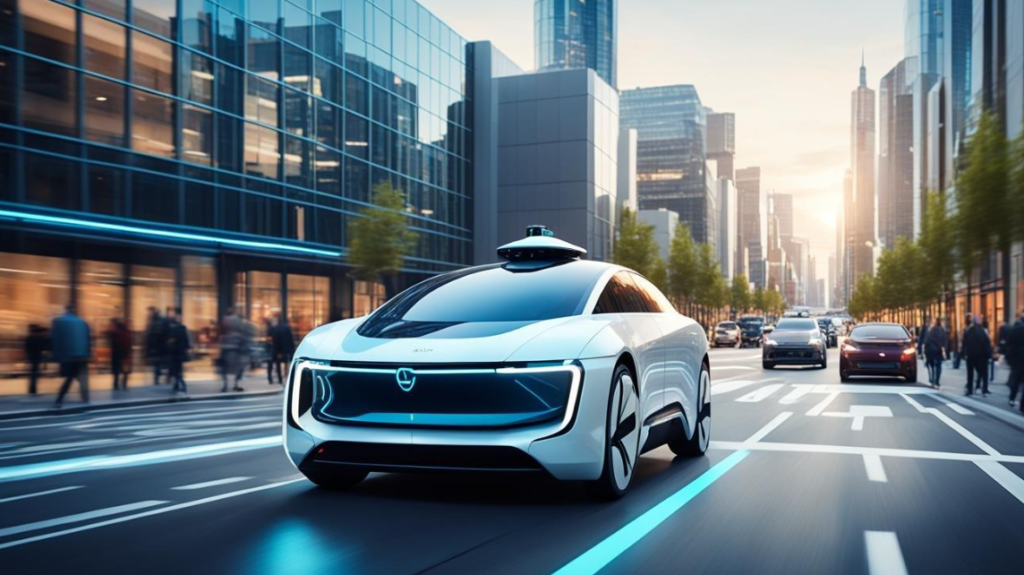
Electric vehicles (EVs) are changing the transportation industry by using electric motors instead of traditional gasoline-powered engines.
Advancements in battery technology, charging infrastructure, and vehicle software are supporting the growth of electric transportation.
Autonomous driving technology is also developing, using cameras, sensors, radar, and AI to help vehicles understand their surroundings.
In 2027, further improvements may make electric transportation more practical and intelligent.
Major developments include:
- Improved battery performance.
- Faster charging technology.
- Advanced driver assistance systems.
- Intelligent navigation.
- Connected vehicle technology.
However, fully autonomous driving still faces technical, regulatory, and safety challenges.
9. Biotechnology and Personalized Medicine
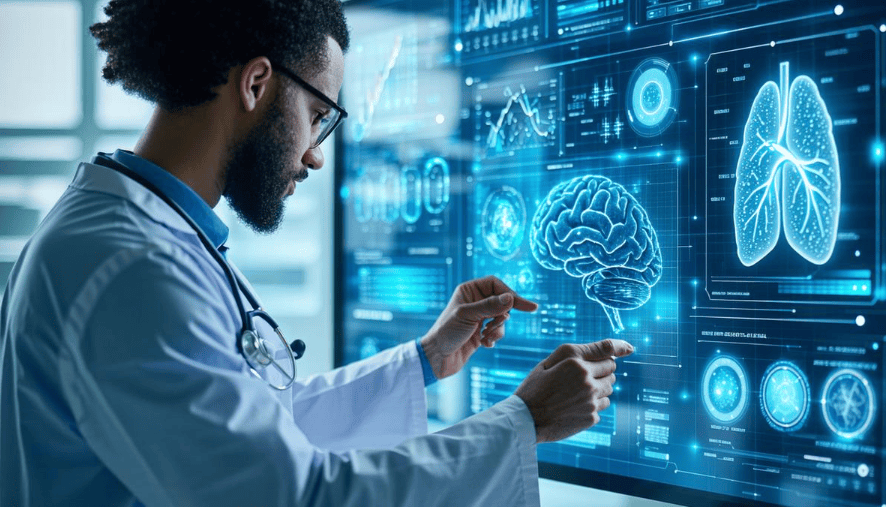
Biotechnology combines biology and technology to develop new solutions for healthcare, agriculture, and scientific research.
One important area is personalized medicine, which aims to tailor healthcare treatments to individual patients based on their characteristics and medical information.
Advancements in genetic research, biotechnology, and AI are helping scientists better understand diseases and explore new treatment possibilities.
Potential applications include:
- Genetic testing.
- Advanced medical research.
- Personalized treatments.
- Disease detection.
- Innovative drug development.
Biotechnology could play an important role in improving healthcare and medical research in the coming years.
10. Green Technology and Renewable Energy
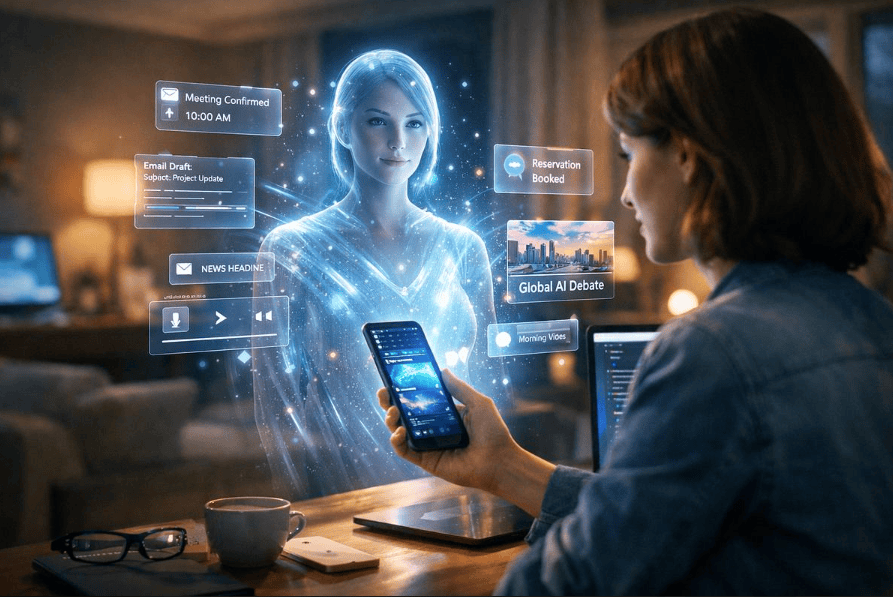
Green technology focuses on developing solutions that reduce environmental impact and support sustainable living.
As countries explore cleaner energy sources, renewable technologies such as solar power, wind energy, and advanced energy storage are becoming increasingly important.
In 2027, innovation in energy efficiency and battery storage could help businesses and communities adopt more sustainable energy systems.
Important green technologies include:
- Solar energy systems.
- Wind power.
- Advanced battery storage.
- Smart electricity grids.
- Energy-efficient buildings.
Green technology can support environmental sustainability while creating new opportunities for innovation and economic development.
How Emerging Technologies Will Change Everyday Life in 2027
Emerging technologies will influence many aspects of everyday life. People may experience smarter digital services, improved healthcare solutions, more efficient transportation, and advanced communication systems.
Here are some areas where technology could make a difference:
| Industry | Expected technological impact |
|---|---|
| Education | AI-powered personalized learning |
| Healthcare | Advanced diagnostics and medical research |
| Business | Automation and intelligent tools |
| Transportation | Electric and connected vehicles |
| Communication | Faster and smarter connectivity |
| Home | Connected smart devices |
| Energy | Renewable power and smart grids |
These developments could improve convenience and productivity, although their benefits will depend on affordability, accessibility, safety, and responsible implementation.
Challenges of Emerging Technologies
Although new technologies offer many opportunities, they also create challenges that businesses and governments must address.
1. Privacy concerns: AI and connected devices collect large amounts of information, making data protection essential.
2. Cybersecurity risks: More connected systems can create additional opportunities for cyberattacks.
3. Job market changes: Automation may change existing roles and increase demand for new technical skills.
4. High development costs: Advanced technologies can require significant investment.
5. Ethical concerns: AI decision-making, biometric data, and autonomous systems require responsible oversight.
Addressing these challenges will be important for building a safe and sustainable digital future.
Conclusion
Emerging technologies are creating exciting possibilities for the future. Artificial Intelligence, robotics, quantum computing, cybersecurity, biotechnology, and renewable energy are among the innovations that could significantly influence the world in 2027.
These technologies may transform industries, improve everyday experiences, and create new business opportunities. However, responsible development, cybersecurity, digital education, and ethical practices will be essential.
As technology continues to evolve, individuals and businesses that stay informed and adapt to innovation will be better prepared for the future.
The future is not just about developing new technologies; it is about using them to create a smarter, safer, and more connected world.