
Introduction
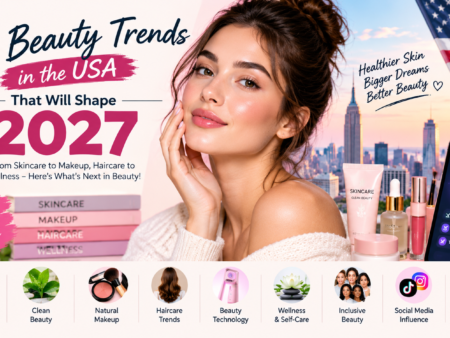
The beauty industry is changing faster than ever. New skincare ingredients, AI-powered beauty tools, innovative treatments, social media trends, and changing consumer preferences are reshaping how people think about beauty.
While nobody can predict the future with complete certainty, several trends already gaining momentum in 2026 could become even more important in 2027. Current beauty forecasts point toward personalized skincare, skin longevity, science-backed formulas, Asian beauty influence, multifunctional products, and more expressive makeup.
For consumers in the United States, 2027 could bring a beauty market that is less focused on following one universal look and more focused on healthy skin, personalization, convenience, and individual expression.
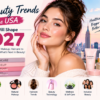
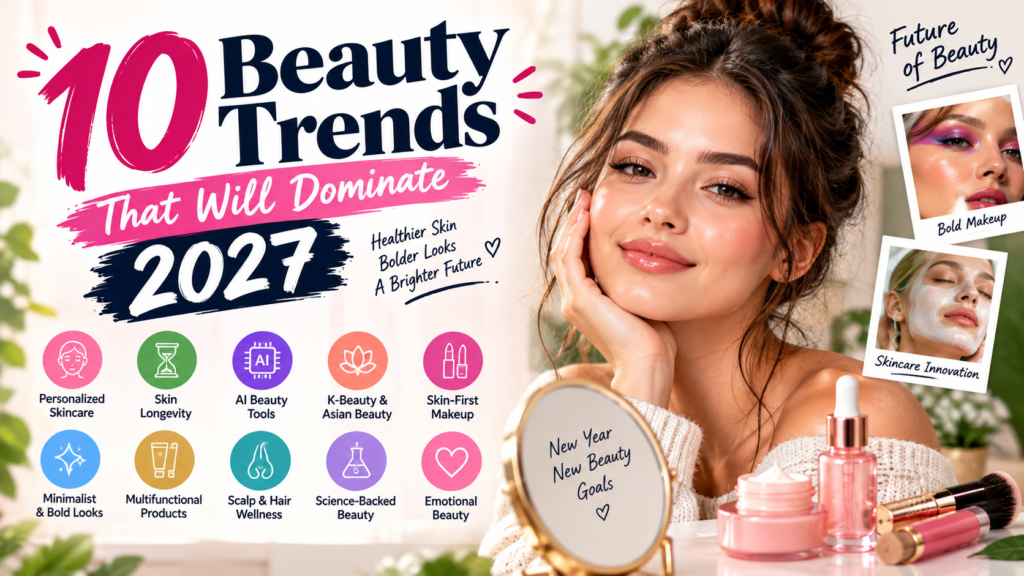
Here are 10 beauty trends worth watching.
1. Personalized Skincare Will Become the New Normal
One of the biggest beauty trends for 2027 could be personalized skincare.
Instead of buying products simply because they are popular on social media, consumers are increasingly interested in routines designed around their individual skin concerns.
Technology is making this easier. AI-powered imaging and diagnostic tools are being developed to analyze characteristics such as pores, pigmentation, and other aspects of skin health.
In 2027, personalized recommendations could become more common across:
- Skincare apps
- Beauty websites
- Dermatology clinics
- Retail stores
- At-home beauty devices
- AI beauty assistants
Rather than asking, “What is the most popular moisturizer?”, consumers may increasingly ask, “Which moisturizer is right for my skin?”
This shift could make personalized beauty one of the most important areas of the industry.
2. Skin Longevity Will Become Bigger Than Anti-Aging
The traditional anti-aging conversation is changing.
Instead of focusing only on reducing wrinkles or reversing visible signs of aging, consumers are increasingly interested in maintaining healthy, resilient skin over the long term.
Vogue’s 2026 beauty forecast highlighted longevity, cellular health, personalized treatments, and regenerative approaches as important developments.
Euromonitor also identifies longevity as a major beauty and personal-care trend for 2026–2027, describing a shift from corrective anti-aging toward preventive care and long-term wellness.
This could influence products containing ingredients such as:
- Retinoids
- Vitamin C
- Peptides
- Antioxidants
- Ceramides
- Sunscreen
- Barrier-supporting ingredients
The message may become less “look younger” and more “keep your skin healthy for longer.”
3. AI Will Become a Beauty Assistant
Artificial intelligence is already changing many industries, and beauty is no exception.
In 2027, AI could become a regular part of the beauty-shopping experience.
Imagine taking a selfie and receiving personalized recommendations based on your skin concerns, preferred makeup style, or beauty goals.
AI could help consumers:
- Analyze their skin
- Find suitable products
- Build skincare routines
- Experiment with makeup looks
- Discover hairstyles
- Compare ingredients
- Get personalized beauty advice
Beauty brands can also use AI to understand consumer preferences and develop more personalized experiences.
The important point is that AI is unlikely to replace professional dermatologists or qualified beauty experts. Instead, it can become another tool that helps consumers make more informed decisions.
4. K-Beauty and Asian Beauty Will Continue Growing
K-beauty has already had a major influence on the global beauty industry, and that influence could become even stronger in 2027.
Korean beauty has helped popularize concepts such as:
- Lightweight skincare
- Layering
- Hydration
- Glass-skin looks
- Barrier care
- Innovative ingredients
- Gentle formulations
Recent beauty coverage shows continued interest in Korean skincare, while Euromonitor identifies Asian beauty as an important force shaping the 2026–2027 market.
The influence is also spreading beyond South Korea. Japanese and Chinese beauty brands are gaining attention for their formulas, technology, packaging, and unique approaches to skincare.
For American consumers, this means more Asian beauty products are likely to become mainstream rather than niche.
5. Skin-First Makeup Will Keep Growing
The line between skincare and makeup is becoming increasingly blurred.
Consumers want makeup that does more than simply provide color or coverage.
Foundation, concealer, blush, and lip products are increasingly being developed with skincare-style ingredients and lightweight formulas.
Current makeup trends already show strong interest in lightweight, luminous complexion products and skincare-makeup hybrids.
In 2027, expect more products positioned around ideas such as:
Makeup + hydration
Makeup + sun protection
Makeup + skincare
Makeup + barrier support
This trend could be especially attractive to people who want a polished appearance without wearing multiple heavy products.
6. Minimalist Beauty Will Meet Bold Self-Expression
At first, minimalist beauty and bold makeup may seem like opposites.
But both could grow at the same time.
Many consumers prefer simple everyday makeup, while younger audiences are increasingly interested in colorful and experimental looks. U.S. consumer research has found strong preference for minimalist makeup, while younger consumers show greater interest in experimentation.
This suggests that the future of beauty may not be about one dominant look.
Instead, people could switch between:
- Natural everyday makeup
- Bold colorful eyes
- Glossy lips
- Dramatic eyeliner
- Soft dewy skin
- Statement blush
- Creative beauty looks
The key trend is choice.
Beauty in 2027 could become more personal, flexible, and expressive.
7. Multifunctional Beauty Products Will Become More Popular
Consumers are busy, and many people want simpler routines.
That is why multifunctional beauty products could become increasingly important.
Instead of carrying five separate products, consumers may prefer products that perform multiple functions.
Examples include:
- Tinted moisturizer with SPF
- Lip and cheek tint
- Foundation with skincare ingredients
- Multi-use makeup palettes
- Shampoo and scalp treatments
- Moisturizer with barrier-supporting ingredients
NIQ’s 2026 beauty insights highlight multifunctional products as a significant trend, noting that time pressure is influencing consumer preferences.
For American consumers, convenience combined with performance could be a major selling point in 2027.
8. Scalp and Hair Wellness Will Become Part of Beauty Routines
Skincare is no longer limited to the face.
Consumers are increasingly paying attention to scalp health and treating the scalp as part of their overall beauty routine.
Current beauty forecasts have identified scalp-focused haircare as an important emerging trend, including products that use skincare-style ingredients for the scalp.
This could lead to more products such as:
- Scalp serums
- Exfoliating scalp treatments
- Hydrating scalp products
- Scalp masks
- Specialized shampoos
- Hair-growth-focused routines
The larger trend is a shift toward head-to-toe skin health rather than treating hair only as a styling concern.
9. Science-Backed Beauty Will Matter More
Consumers are becoming more skeptical of exaggerated beauty claims.
In 2027, brands that can clearly explain why a product works may have an advantage over brands relying only on trendy marketing language.
Current skincare forecasts already point toward greater interest in clinically supported ingredients, measurable outcomes, transparency, and evidence-based beauty.
This could increase demand for products featuring well-known ingredients such as:
- Retinoids
- Vitamin C
- Peptides
- Ceramides
- Hyaluronic acid
- Niacinamide
- Broad-spectrum sunscreen
Consumers may increasingly ask:
What does this ingredient do?
Is there evidence behind the claim?
How should I use it?
How long should I expect to use it before seeing results?
That means education could become an important part of beauty marketing.
10. Beauty Will Become More Emotional and Personal
The final major trend may be less about a particular product and more about how beauty makes people feel.
Beauty is increasingly connected with self-expression, wellness, confidence, relaxation, and small moments of enjoyment.
Euromonitor’s 2026–2027 beauty analysis highlights “emotional micro-indulgence”—small, aesthetically appealing purchases that provide an emotional reward—as an important consumer trend.
This could include:
- Fragrance
- Body mists
- Lip products
- Bath products
- Beauty accessories
- Mini skincare products
- At-home beauty rituals
In other words, consumers may not always buy beauty products because they desperately need them.
Sometimes they buy them because using them feels good.
What These Beauty Trends Mean for Consumers
The beauty industry of 2027 could be more personalized than ever.
Instead of following one universal beauty standard, consumers may have access to products and routines designed around their own needs.
Three major ideas stand out:
Health
Consumers are becoming more interested in healthy skin, long-term care, and science-backed products.
Convenience
Multifunctional products, AI recommendations, and simplified routines can make beauty easier.
Expression
Bold colors, creative makeup, fragrance, and personalized routines give consumers more freedom to express themselves.
Together, these trends suggest that the future of beauty may be less about perfection and more about personalization and confidence.
How Beauty Brands Can Prepare for 2027
Beauty businesses can use these trends to prepare for changing consumer expectations.
Focus on education
Explain ingredients and product benefits clearly instead of relying only on exaggerated claims.
Invest in personalization
Use technology to help customers find products that better match their individual needs.
Create multifunctional products
Convenience can be a strong advantage for busy consumers.
Embrace individuality
Not every customer wants the same makeup look. Give consumers options.
Build trust
Transparent information, realistic claims, and quality products can help create long-term customer relationships.
Final Thoughts
The beauty industry is entering an exciting period.
The biggest beauty trends of 2027 may not be about one specific lipstick shade, hairstyle, or viral skincare ingredient. Instead, the industry appears to be moving toward personalized skincare, skin longevity, AI-powered experiences, Asian beauty innovation, multifunctional products, science-backed formulas, and individual self-expression.
Current 2026 forecasts already show many of these ideas gaining momentum, making them strong candidates to influence beauty throughout 2027.
For consumers, the future could mean smarter products, simpler routines, and more choices.
For beauty brands, it means understanding that modern customers want more than attractive packaging. They want results, convenience, transparency, personalization, and experiences that fit their lifestyles.
2027 could be the year beauty becomes less about following trends—and more about choosing what works for you.